

Sarah, a customer service manager at a growing e-commerce company, spent three frustrating hours each week analyzing why her team's contact rates remained below 60%. Her agents were dialing numbers that no longer existed. Messages went to disconnected lines. The problem wasn't effort, it was data quality.
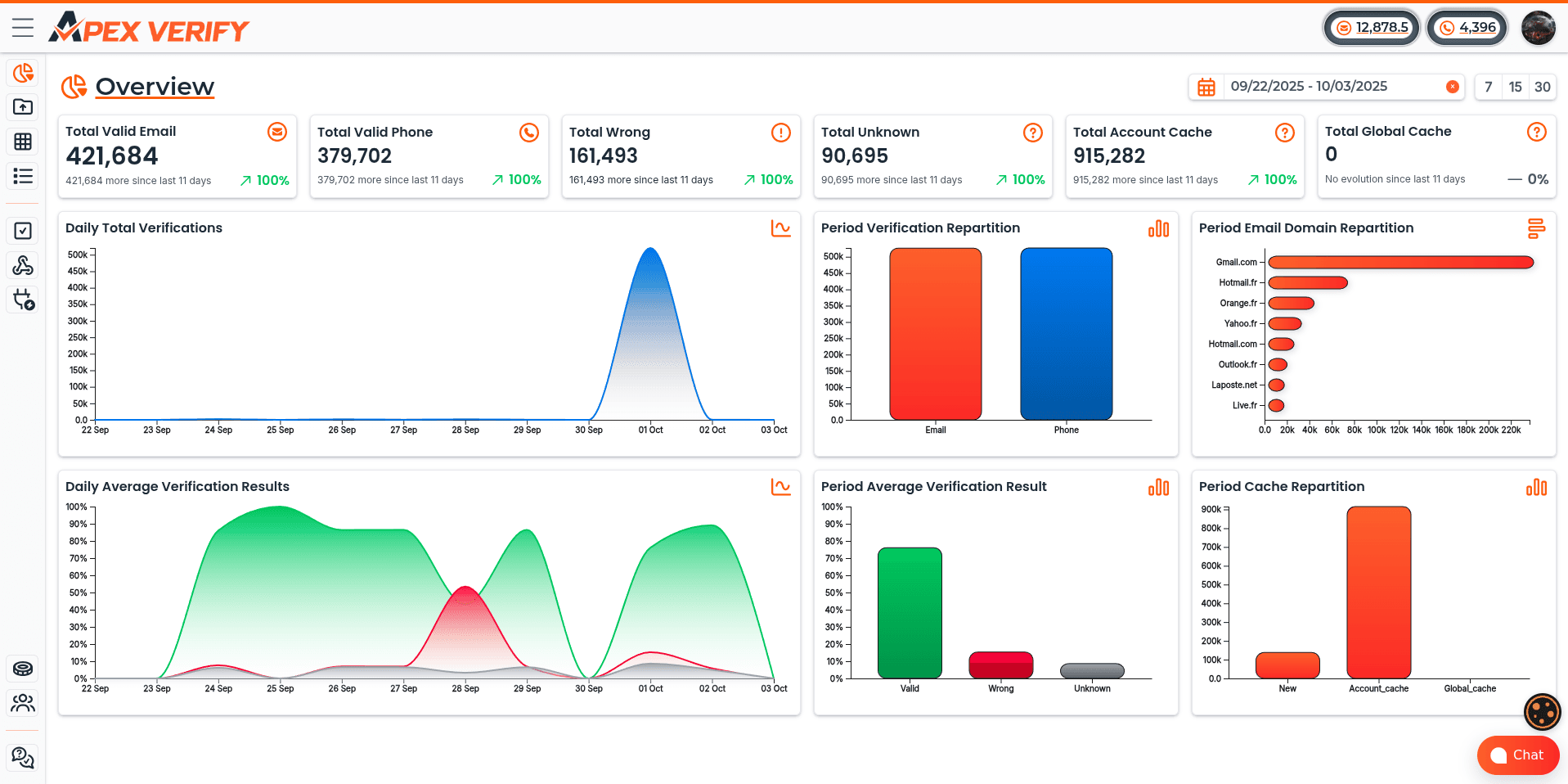
When she implemented a unified platform with built-in phone number verification, everything changed. Within two weeks, contact rates jumped to 82%. Agent morale improved. Customer satisfaction scores climbed.
This transformation isn't unique. We're witnessing a fundamental shift in how businesses manage customer interactions. The contact center industry is projected to reach $384 billion by 2035, growing at a remarkable 21.12% annual rate.
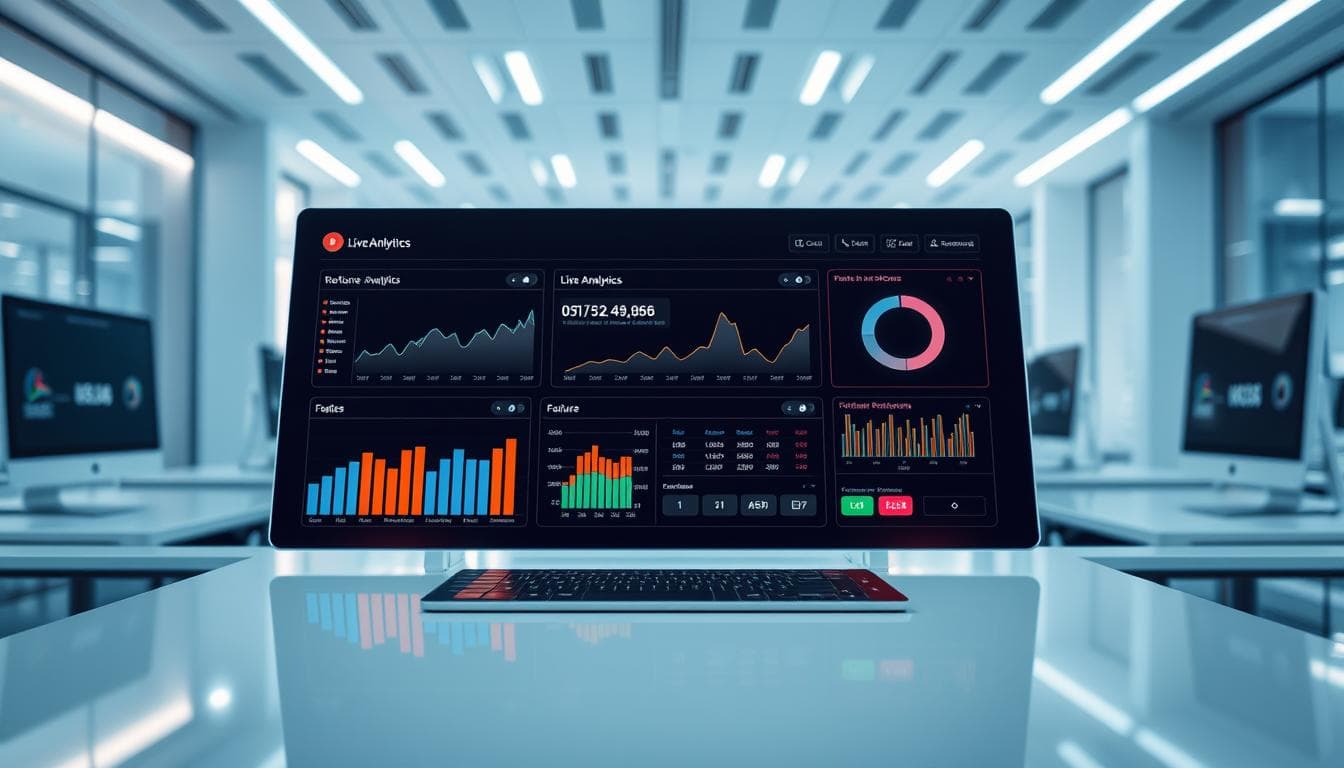
Today's call center dashboard software has evolved beyond simple metrics displays. Modern platforms integrate verification capabilities directly into the command center, ensuring every interaction starts with validated contact information. Over 90% of companies now recognize customer experience as their key competitive advantage.
For 2026, phone number verification isn't optional, it's foundational infrastructure that impacts every metric from first-call resolution to operational efficiency.
Key Takeaways
- The contact center industry is experiencing explosive growth, projected to reach $384 billion by 2035 with a 21.12% compound annual growth rate
- Built-in phone number verification eliminates wasted agent time on disconnected numbers and improves contact rates by 20-30%
- Modern dashboard platforms unify verification, analytics, and omnichannel communication in a single interface
- Over 90% of businesses now prioritize customer experience as their primary competitive differentiator
- Integrated verification reduces compliance risks and ensures data accuracy across all customer touchpoints
- Real-time validation at the dashboard level improves first-call resolution rates and customer satisfaction scores
Understanding Call Center Dashboard Software with Phone Number Verification
The connection between call center operations and phone number verification is vital for businesses today. Modern contact centers are now all-in-one platforms for managing customer interactions. They combine voice, digital channels, AI, and workforce optimization tools. As regulations get stricter and customer expectations rise, adding verification to your dashboard is now a must, not just a nice-to-have.
Contact data management is undergoing a significant shift. The old days of separate systems for communication and validation are over. Today's top call center software solutions integrate verification at every step. This creates smooth workflows that protect data quality and boost agent productivity.
What Is Call Center Dashboard Software?
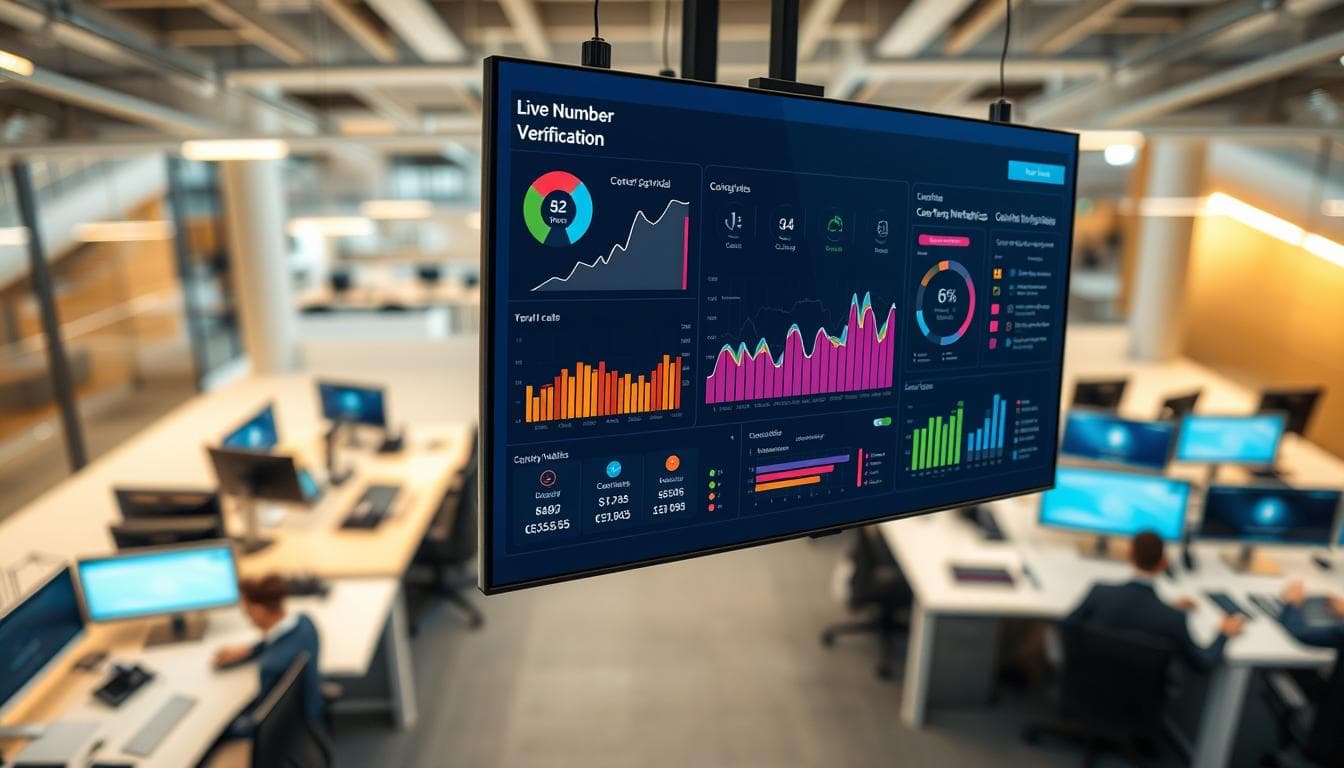
Call center dashboard software is the central hub where managers and agents oversee all customer interactions in real time. It's like the command center for every customer interaction in your organization.
Modern dashboards have evolved beyond simple call-logging screens. They now offer unified visibility across various communication channels. They display critical information that aids in making quick decisions.
The best contact center software platforms offer key features:
- Omnichannel integration that combines voice, chat, email, SMS, and social media into one interface
- Real-time performance metrics showing live call queues, agent status, and customer satisfaction scores
- AI-powered capabilities including intelligent routing, sentiment analysis, and automated responses
- Cloud-native architecture enabling remote teams and scalable infrastructure
- Advanced analytics and reporting with customizable dashboards and data visualization tools
These command centers show everything from current call volumes to data quality indicators. Agents can see customer histories and verification status instantly. Managers get a clear view of team performance, campaign success, and system health without switching apps.
Leading platforms merge intelligent call management with AI and top-notch security. They offer end-to-end encryption and GDPR compliance, keeping your contact data safe while your team stays productive.
The Critical Role of Phone Number Verification in 2026
Phone number verification has become a must-have in modern contact centers. The business world of 2026 demands verified contact data for success.
Regulatory demands are getting tougher. GDPR, CCPA, and new privacy laws require accurate data and consent management. Companies face big penalties for contacting numbers on Do Not Call lists or using outdated contact info without validation.
The cost of unverified data is huge. Invalid numbers waste agent hours, cut campaign success by 30-40%, and harm sender reputation for SMS. Repeatedly dialing disconnected numbers lowers productivity and raises frustration.
Phone number verification software in your dashboard tackles these issues head-on. It checks multiple data points before your team contacts anyone:
- Format accuracy ensuring numbers match regional standards
- Line type identification distinguishing between mobile, landline, and VoIP numbers
- Carrier information showing which network provider services the number
- Active status confirmation verifying the number is active
- Risk assessment flagging fraud or spam indicators
Fraud and robocalling are big concerns. Companies must protect their reputation by only contacting verified numbers. Online phone number verification provides the necessary safeguards to keep compliance and customer trust.
Disconnected and invalid numbers in CRM databases cause chaos. Studies show databases degrade by 2-3% monthly without verification. This means a database of 100,000 contacts loses 2,000-3,000 valid numbers each month.
Benefits of Built-In Verification vs. Third-Party Solutions
The architecture of your verification solution greatly affects efficiency. Companies face a choice between integrated verification and external tools that require separate workflows.
Built-in verification eliminates the hassle of exporting, processing, and re-importing data. This traditional workflow has many failures, delays campaigns, and poses security risks with each data transfer.
Integrated online phone number verification works seamlessly within your call center software environment. It validates data instantly at entry or before dialing, giving agents real-time feedback without disrupting their work.
The benefits of built-in verification offer clear business value:
- Reduced costs by cutting redundant software subscriptions and data management middleware
- Simplified workflows keeping all operations in one interface your team already knows
- Enhanced security by reducing data transfers that expose sensitive customer info
- Improved accuracy through real-time validation instead of batch processing with outdated data
- Faster deployment avoiding long integration projects between different systems
Third-party solutions require managing multiple vendor relationships, reconciling different data formats, and troubleshooting integration issues. Verification outside your main dashboard leads to inevitable delays. An agent might dial an invalid number before verification is complete, wasting time.
Phone number verification software embedded in your dashboard flags or removes invalid entries automatically. Agents get instant visual indicators of verification status, allowing them to skip bad numbers and focus on real contacts.
The security implications are also critical. Each data export to an external verification service increases the risk of breaches. Integrated solutions keep sensitive info within your secure environment, making audits easier.
Real-time validation outperforms batch processing. Verification during data entry lets your team correct errors or missing info immediately. This proactive approach keeps database quality up continuously, unlike periodic cleanup campaigns.
Companies using integrated call center software with built-in verification see big improvements. They enjoy 40-60% better contact rates, 25-35% fewer compliance issues, and significant cost savings from cutting redundant verification subscriptions. The unified approach makes data quality a continuous, automated process that boosts efficiency.
Essential Features of Call Center Dashboard Software for 2026
Today's call centers need software with advanced features, not just basic dialing. The right features in your dashboard can make a huge difference. We've identified key functionalities that set top platforms apart from outdated ones.
With more communication channels and higher customer expectations, your dashboard must handle complex tasks efficiently. The features we discuss are the foundation for successful call center operations in 2026.
Real-Time Phone Number Validation Capabilities
Online phone number validation is key for effective call centers. It verifies numbers instantly, ensuring they meet international standards before calling. Real-time validation is essential for maintaining quality in your calls.
Validation checks multiple factors at once. It confirms numbers are active and reachable, avoiding wrong numbers. It also flags Do Not Call registries, preventing fines.
Modern platforms automatically flag Do Not Call numbers. This process happens in milliseconds, without slowing down your agents.
Line Type Detection
Knowing the line type is critical for campaign success. Validation systems identify mobile, landline, VoIP, or toll-free numbers. This affects compliance and contact strategy.
Mobile numbers have stricter rules than landlines, affecting automated dialing and text messaging. Knowing the line type ensures correct rules are applied. Different line types have varying answer rates and optimal contact times.
Costs vary by line type, with international mobile calls being more expensive. Your system can route calls for the best cost when it knows the line type.
Carrier Identification
Verification systems identify the carrier for each number. This information offers several operational advantages. Carrier identification optimizes routing for cost savings.
Different carriers have varying reliability and call quality. Your system can predict connection issues based on carrier performance. This allows for proactive dialing adjustments.
Carrier identification also aids in fraud prevention. Certain fraud patterns are associated with specific carriers. Your security protocols can flag suspicious patterns early.
Mobile Phone Number Verification Tools
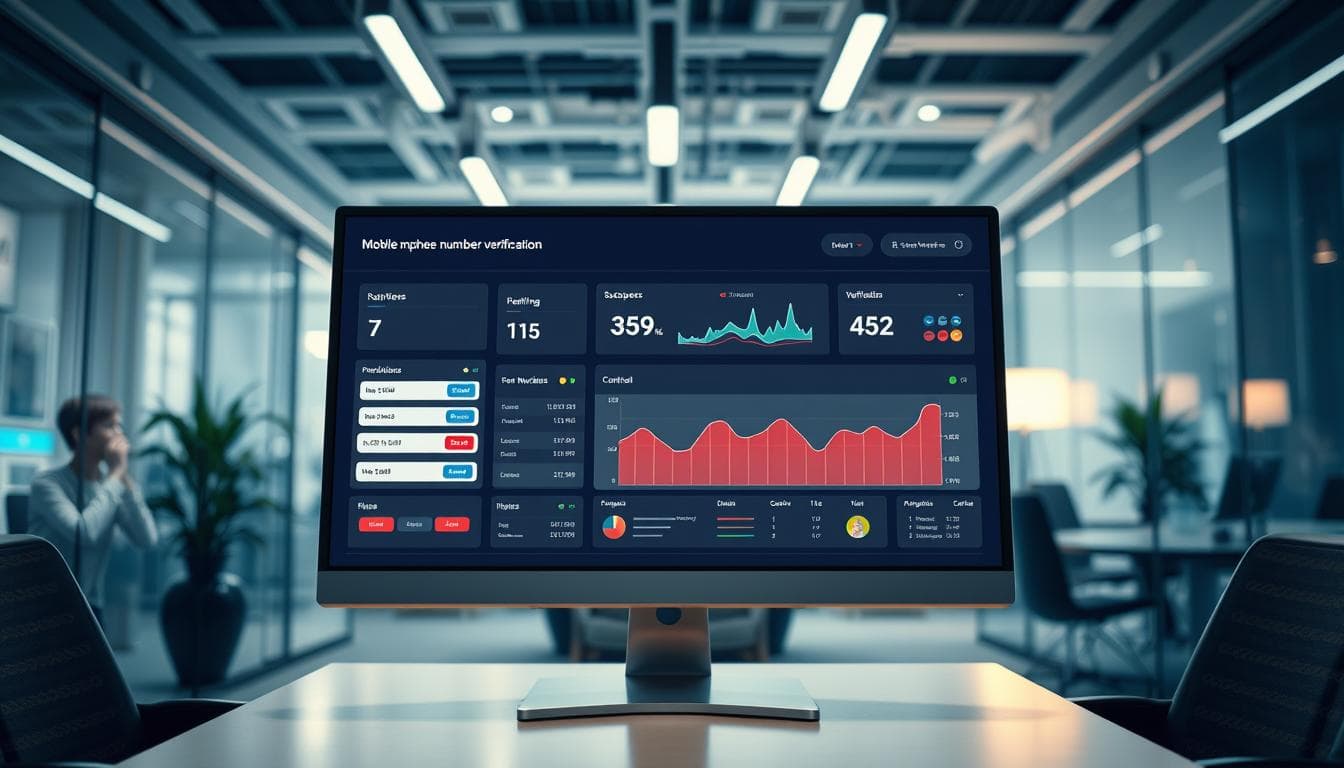
Mobile numbers are now the main contact point for customers. Mobile verification tools address unique challenges not seen with landlines. Implementing these tools can significantly improve contact rates.
The mobile ecosystem is different from landlines. Numbers port between carriers often, and users expect multi-channel communication. Your verification tools must account for these mobile-specific factors.
SMS Verification Integration
Two-way SMS verification is the gold standard for confirming mobile numbers. Your dashboard sends a unique code via text message. The customer enters this code to confirm their identity and verify the number works correctly.
This process confirms the number is active and SMS-capable, eliminating disconnected numbers. It also verifies the customer controls that specific number.
Mobile Number Portability Checks
Customers often transfer their mobile numbers between carriers while keeping the same digits. Without portability checks, your routing and billing information may be completely inaccurate.
Verification systems check porting databases to identify the current carrier. They don't rely solely on the number prefix. This ensures calls route correctly and billing remains accurate.
The verification process updates your records as numbers move between providers. This ongoing maintenance keeps your database current without manual intervention.
Advanced Predictive Dialer with Verification
An advanced predictive dialer boosts call center productivity by maximizing agent talk time. Modern systems integrate phone number validation into the dialing algorithm. This integration prevents wasted calls and ensures compliance with telecommunications regulations.
The dialer analyzes historical data to predict when agents will be available. It automatically dials multiple numbers per agent to maintain continuous conversations. Verification status now determines which numbers enter the dial queue in the first place.
Your system checks verification status before adding numbers to active campaigns. Unverified or flagged numbers skip automatically, preventing wasted dialing attempts. Verified mobile numbers with higher contact rates receive priority in the queue.
Key capabilities of verification-enabled predictive dialers include:
- Automatic removal of disconnected numbers from active campaigns
- Real-time compliance checking against Do Not Call registries
- Priority dialing for verified mobile numbers with optimal contact windows
- Dynamic adjustment of dial ratios based on verification success rates
- Integration with call recording and sentiment analysis for quality monitoring
Unified Analytics and Reporting Dashboard
Verification data becomes powerful when integrated into your analytics. A unified dashboard shows how data quality affects call center operations. Managers who monitor verification metrics alongside traditional KPIs make better decisions.
Your dashboard should display verification success rates alongside metrics like call volume and average handle time. This highlights the relationship between data quality and performance. Teams quickly understand that improving verification rates directly increases contact rates and conversion percentages.
Advanced analytics track which data sources produce the highest quality contacts. Web forms, purchased lists, and manual entry each show different verification success rates. This information guides decisions about where to invest acquisition resources.
Return on investment calculations become straightforward when you measure time and cost savings from verification. The dashboard quantifies how many wasted dials you've eliminated and how much agent time you've recovered. These concrete numbers justify continued investment in verification capabilities.
Managers spot declining verification rates before they impact campaign performance.
Essential analytics components include:
- Verification success rates by data source and acquisition channel
- Contact rate improvements attributed to verification processes
- Cost savings from reduced invalid dialing attempts
- Compliance risk indicators based on verification coverage
- Data quality trend analysis with predictive alerts
Natural language processing enhances these analytics by analyzing call recordings for verification-related issues. AI-powered transcription identifies when agents encounter wrong numbers or disconnected lines. This feedback loop continuously improves your verification rules and processes.
Step-by-Step Guide to Setting Up Phone Number Verification
The journey to successful phone number validation starts with careful planning and methodical implementation across five critical stages. Integrating verification capabilities into your existing call center operations requires both technical precision and strategic thinking. This guide walks you through each phase of implementation, ensuring your team achieves optimal results without disrupting current workflows.
Many call centers rush into verification deployment without adequate preparation. This approach often leads to integration challenges, data inconsistencies, and frustrated agents. Our systematic methodology addresses these pitfalls by establishing a clear roadmap from initial assessment through final testing.
Step 1: Evaluate Your Current Database and Verification Requirements
Before implementing any phone number verification software, we need to understand exactly what we're working with. This assessment phase establishes the foundation for all subsequent decisions. Without this critical first step, you risk selecting the wrong solution or configuring verification rules that don't align with your operational needs.
Audit Existing Contact Data Quality
Start by analyzing your current contact database to establish a baseline understanding of data quality. We recommend running a sample verification on 1,000 to 5,000 records to get accurate metrics. This sample size provides statistically significant insights without overwhelming your team during the assessment phase.
Calculate the percentage of invalid, disconnected, or improperly formatted numbers in your database. Document which data sources have the highest error rates, whether they come from web forms, purchased lists, trade shows, or manual entry. Older records typically contain higher rates of invalid numbers due to disconnections and number porting over time.
Create a data quality report that quantifies these findings. Include metrics such as:
- Total invalid number percentage
- Disconnected or non-working numbers
- Formatting inconsistencies across records
- Missing area codes or country codes
- Duplicate entries with conflicting information
Define Verification Scope and Priorities
Determine what to verify and when based on your operational priorities. Should you verify all existing records through batch processing, or focus only on new and updated records going forward? The answer depends on your database size, budget constraints, and campaign timelines.
Prioritize high-value contacts or active campaigns for immediate verification. This approach delivers quick wins while you develop a longer-term strategy for historical data. Establish acceptable verification thresholds that define what confidence level constitutes a "verified" number in your system.
Decide whether verification should occur at the point of data entry, before dialing, or both. Each approach offers distinct advantages depending on your call center's workflow and agent responsibilities.
Step 2: Select Phone Number Verification Software Compatible with Your Dashboard
Choosing the right verification solution represents one of your most important decisions in this process. The phone number verification software you select must integrate seamlessly with your existing call center dashboard while meeting your accuracy and speed requirements. Some platforms offer built-in verification capabilities, while others require third-party integration.
"The best verification system is one that works invisibly in the background, protecting your operations without slowing down your agents."
API Integration Capabilities
Evaluate whether the verification provider offers robust API documentation and responsive support teams. The API should process verification requests in real time with minimal latency, ideally under two to three seconds per number. This speed ensures agents aren't waiting for verification results before proceeding with their tasks.
Confirm that the solution supports batch processing for cleaning historical databases. Look for webhook notifications that provide verification status updates without requiring constant polling. The integration should work seamlessly with your existing call center dashboard without demanding extensive custom development.
Modern platforms have revolutionized implementation timelines. 5-minute setup allows businesses to become operational in under five minutes with number porting, zero downtime, CRM integration, and agent provisioning.

Assess verification providers based on their claimed accuracy rates. We recommend looking for solutions that deliver 95% or higher accuracy in their validation results. Lower accuracy rates undermine the entire purpose of implementing phone number validation capabilities.
Compare speed of verification responses between real-time and batch processing options. Evaluate geographic coverage to ensure the provider supports domestic and international numbers if you operate globally. Data freshness matters significantly, so ask how often providers update their validation databases.
Verify that the solution maintains compliance certifications for GDPR, CCPA, and TCPA regulations. These certifications protect your organization from legal risks while ensuring ethical data handling practices.
Step 3: Configure Verification Settings and Rules
After selecting your verification solution, customize the system to match your specific operational requirements. Generic default settings rarely align perfectly with individual call center needs. This configuration phase determines how verification results flow through your workflows and impact agent activities.
Set Up Online Phone Number Validation Parameters
Configure exactly what checks the system should perform during verification. Essential checks include format validation, carrier lookup, line type detection, active status verification, and Do Not Call list screening. Each check serves a specific purpose in maintaining database quality and regulatory compliance.
Establish confidence scores or thresholds for different verification outcomes. Create rules for handling various scenarios, including verified numbers, unverified numbers, risky numbers, and definitively invalid entries. Define what happens to records that fail verification, whether they get flagged for manual review, suppressed from dialing campaigns, or marked for data enrichment.
These online phone number validation parameters create the logic that governs your verification system's decision-making. Take time to consider edge cases and unusual scenarios that might arise in your specific industry or market.
Establish Verification Frequency
Determine how often your system should verify phone numbers throughout their lifecycle in your database. We recommend verifying new numbers immediately upon entry to catch errors before they affect campaigns. This real-time approach prevents bad data from entering your system in the first place.
Re-verify existing numbers on a scheduled basis, typically quarterly or semi-annually. Phone numbers can be disconnected, ported to new carriers, or reassigned between verification cycles. Implement triggers that initiate verification after a specified number of failed contact attempts, as these failures often indicate disconnected or changed numbers.
Consider continuous verification for high-priority contacts or active campaigns. This approach ensures your most valuable leads always have current, accurate phone number information.
Step 4: Integrate Verification with Your Call Center Dashboard
Implementation brings your planning to life by connecting verification capabilities with your dashboard interface. Work closely with your dashboard provider's support team or consult their API documentation for integration guidance. Most modern platforms simplify this process considerably compared to legacy systems.
Configure data field mappings so verification results populate the correct database fields automatically. Set up automated workflows that trigger verification at appropriate points, whether during data entry, pre-dial sequences, or scheduled batch operations. Create user interface elements that clearly display verification status to agents without cluttering their screens.
Establish data synchronization to ensure verification results update across all integrated systems, including your CRM, marketing automation platform, and helpdesk software. Inconsistent data across systems creates confusion and undermines the value of your verification efforts.
Platforms with built-in verification significantly simplify this integration step.
Step 5: Conduct System Testing and Quality Assurance
Thorough testing before full deployment prevents costly mistakes and ensures verification enhances your operations. Run test verifications on a sample dataset with known outcomes to confirm accuracy. This controlled testing reveals any configuration issues before they affect live campaigns.
Verify that verification triggers function correctly at all designated points in your workflows. Test edge cases such as international numbers, recently ported numbers, and VoIP lines to ensure the system handles unusual scenarios appropriately. Confirm that dashboard displays and agent interfaces show verification status correctly and intuitively.
Measure verification speed during testing to ensure it doesn't create unacceptable delays in agent workflows. Even accurate verification becomes problematic if it slows productivity significantly. Train a pilot group of agents on the new system before organization-wide rollout, gathering their feedback to refine the implementation.
Establish clear success criteria before beginning testing. Document any issues discovered during this phase and resolve them before full deployment. This methodical approach to quality assurance protects your investment and ensures positive results from your phone number verification software implementation.
By following these five steps systematically, we position our call center for verification success. The time invested in proper planning, selection, configuration, integration, and testing pays dividends through improved contact rates, reduced wasted effort, and enhanced regulatory compliance throughout 2026 and beyond.
Implementing Online Phone Number Validation Workflows
After setting up your verification system, the next step is to create practical workflows. These automate validation across your entire contact lifecycle. They ensure every phone number in your database is verified at the right time. We'll look at how to build automated processes that eliminate manual verification and improve contact data accuracy.
Modern call center platforms offer advanced automation capabilities. They change how verification happens. Your goal is to create seamless workflows where verification occurs invisibly in the background. This should not disrupt agent productivity or customer experience.
Creating Automated Pre-Dial Verification Processes
Pre-dial verification is a powerful automation for call centers today. It validates phone numbers automatically before agents make contact. The system checks each number in your calling queue and removes invalid ones before they reach your team.
Set up your dashboard to trigger verification checks when contacts are added to any calling campaign. The process works like this: when a new record enters the queue, the system sends the phone number to your verification service. It receives validation results quickly and then routes the contact based on those results. Verified numbers proceed directly to your dialing sequence, while unverified or invalid numbers get flagged for review or removal.
This automation brings several benefits. Agents stop wasting time dialing disconnected numbers or wrong numbers. Average handle time decreases because agents only engage with reachable contacts. Team morale improves when connection rates go up.
The workflow also protects your organization from compliance violations. Calling invalid or reassigned numbers creates regulatory risks that pre-dial verification eliminates. Your advanced predictive dialer becomes significantly more efficient when it only processes verified contacts.
Here's what a typical pre-dial verification workflow includes:
- Automatic verification trigger when records enter calling campaigns
- Real-time API calls to validation services during queue processing
- Conditional routing based on verification status and confidence scores
- Automatic suppression of invalid numbers from dialing sequences
- Flagging of uncertain results for manual review by data quality teams
- Priority assignment that places verified numbers at the front of queues
Most call center platforms support these automated workflows through their smart routing capabilities. The entire process operates invisibly, with agents seeing only a queue of verified, ready-to-dial contacts.
Setting Up Real-Time Validation During Data Entry
The most effective online phone number verification strategy prevents bad data from entering your system. Real-time validation during data entry accomplishes this. This workflow checks phone numbers as users type them into web forms, CRM interfaces, or manual entry screens.
Implementation involves adding inline validation that provides immediate feedback. When a user enters a phone number and moves to the next field, your system performs an instant verification check. The interface displays clear visual indicators: a green checkmark for verified numbers, a red X for invalid entries, or a yellow warning for uncertain results.

We've found that preventing form submission until validation passes dramatically improves data quality at the source. Your system should either block record creation when validation fails or require an explicit override with justification. This approach educates both customers and staff to provide accurate information through immediate feedback.
Real-time validation creates a verification-first culture where data quality becomes everyone's responsibility. The cost of fixing bad data later far exceeds the minor friction of validation during entry. Your team appreciates working with clean data, and customers benefit from more reliable communication.
Key implementation considerations include:
- Format validation that checks phone number structure as users type
- API integration that performs verification when fields lose focus
- Clear error messaging that explains validation failures
- Alternative contact method options for customers with validation issues
- Override permissions for legitimate edge cases and exceptions
Balance is critical here. You must implement validation thoughtfully to avoid frustrating users with false negatives. We recommend testing thoroughly with real data before deployment and monitoring validation failure rates to identify system issues.
Configuring Batch Verification for Existing Databases
Organizations with large existing contact databases need a different approach. Batch verification processes thousands or millions of records systematically without overwhelming your system resources. This workflow cleans historical data that accumulated before verification systems were in place.
We recommend setting up scheduled batch jobs that run during off-peak hours. Your system processes records in manageable chunks, typically 10,000 to 50,000 at a time. Each job sends phone numbers to your verification service, receives results, and updates records with validation status, confidence scores, and additional metadata like line type and carrier information.
A phased approach works best for batch verification. Start by verifying your most business-critical segments: active customers, recent leads, and high-value accounts. Then move to dormant accounts and older records. This prioritization ensures you get the greatest benefit earliest while managing verification costs effectively.
Most verification services charge per check, so cost management matters. We suggest establishing clear retention policies that determine how long verification results remain valid before requiring re-verification. For most use cases, quarterly re-verification of active contacts balances cost and accuracy.
Your batch verification workflow should include these components:
- Database segmentation that groups records by priority and business value
- Automated scheduling that processes batches during low-traffic periods
- Progress tracking that monitors verification completion across segments
- Result integration that updates CRM records with verification metadata
- Exception handling that flags records requiring manual investigation
- Cost monitoring that tracks verification expenses against budget
Create detailed reporting that tracks overall database quality improvement over time. These metrics demonstrate ROI and justify continued investment in data hygiene initiatives. Batch verification transforms data quality, but careful planning manages costs and system resources effectively.
Establishing Mobile Phone Verification Protocols
Mobile numbers require additional verification considerations beyond simple format validation. While landline verification confirms that a number exists and is reachable, mobile phone verification often involves confirming that customers actually control the numbers they provide. This distinction matters for security, fraud prevention, and regulatory compliance.
We implement mobile number verification through two primary protocols: two-factor authentication and one-time password verification. Both approaches confirm possession of the mobile device, not just technical validity of the number. These workflows have become standard practice in financial services, healthcare, and e-commerce sectors.
Mobile verification serves dual purposes. It validates contact information accuracy while simultaneously verifying customer identity. This combination significantly reduces fraud risk while ensuring your team can reach customers reliably.
Two-Factor Authentication Setup
Two-factor authentication (2FA) provides robust mobile phone verification during account creation or profile updates. The workflow begins when customers provide a mobile number during registration. Your system immediately sends an SMS message or automated voice call containing a unique verification code.
Customers must enter this code to confirm they received it and control the device. Once verified, your system permanently marks that number as validated in the customer record. The verification status persists unless the customer changes their number, triggering the process again.
We recommend these 2FA best practices:
- Provide clear on-screen instructions for code entry and troubleshooting
- Offer alternative verification methods for customers without SMS access
- Implement code expiration, typically 10 to 15 minutes, for security
- Allow three to five retry attempts before requiring customer service intervention
- Log all verification attempts for audit trails and fraud detection
This approach enhances customer trust through visible security measures while simultaneously validating mobile contact information. Your call center benefits from verified numbers, and customers appreciate the added account protection.
One-Time Password Verification
One-time password (OTP) verification extends mobile phone verification to transaction-level security. This protocol activates when customers initiate sensitive actions like password resets, payment authorizations, or account information changes. The system generates and sends a unique OTP to the registered mobile number.
Customers must enter the correct OTP to proceed with their requested action. Each code works only once and expires quickly, typically within five to ten minutes. Your system logs every verification for compliance documentation and dispute resolution purposes.
OTP workflows provide multiple advantages beyond contact verification. They create strong audit trails that meet regulatory requirements in financial and healthcare sectors. They demonstrate due diligence in identity verification during sensitive transactions. They significantly reduce account takeover fraud by requiring device possession.
Integration requirements include connections between your call center dashboard, verification provider, and SMS gateway. While implementation requires technical coordination, the investment pays substantial dividends. You gain reduced fraud exposure, improved data quality, and enhanced customer confidence in your security practices.
Modern platforms enable automation of these verification workflows to free agents for higher-value work. ChatGPT and similar AI tools can handle routine verification inquiries, while IVR systems manage voice-based OTP delivery. Your team focuses on complex customer needs, not manual verification tasks.
The combination of automated pre-dial verification, real-time data entry validation, systematic batch processing, and mobile verification protocols creates a complete online phone number verification ecosystem. These workflows work together to maintain contact database integrity throughout the entire customer lifecycle. Your call center operates more efficiently, your agents experience higher success rates, and your customers receive reliable communication.
Optimizing Your Call Center Dashboard for Maximum Efficiency
Once verification systems are in place, your focus shifts to leveraging clean data for unprecedented efficiency gains across your entire operation. The real value of phone number verification emerges when you integrate verified contact information directly into your calling workflows and decision-making processes. This optimization transforms your call center dashboard software from a simple monitoring tool into a strategic command center that drives measurable improvements in agent productivity and customer connections.
We've seen organizations achieve remarkable results by systematically aligning their verification data with operational systems. The key is treating verified phone numbers not as isolated data points but as actionable intelligence that informs every aspect of your calling strategy.
Integrating Verified Data with Your Advanced Predictive Dialer
An advanced predictive dialer represents one of the most powerful tools in modern contact centers. These systems use sophisticated algorithms to predict agent availability and automatically dial multiple numbers per available agent, maximizing talk time while minimizing idle periods between calls. Yet, this efficiency collapses when the predictive dialer wastes resources on disconnected or invalid numbers.
By integrating verification data directly into your dialer, you ensure that calling algorithms only process verified numbers. This integration dramatically improves connection rates and agent utilization. Platforms offer predictive dialing with advanced analytics and machine learning capabilities that become significantly more effective when fed exclusively verified contact data.

The difference is measurable and substantial. Organizations implementing verification-informed dialing typically experience 20-30% improvements in agent talk time and similar increases in contacts per hour. These gains translate directly to revenue growth and operational cost reductions.
Prioritizing Verified Numbers in Dial Campaigns
Verification status transforms how you structure and execute calling campaigns. Instead of treating all contacts equally, you can implement intelligent prioritization strategies that maximize campaign performance.
We recommend configuring your predictive dialer rules to implement these proven strategies:
- Mobile number prioritization: Place verified mobile numbers at the top of calling queues, as mobile phones typically achieve 35-45% higher answer rates than landlines
- Confidence score tiering: Organize contacts by verification confidence levels, high-confidence verified numbers first, medium-confidence second, unverified contacts last
- Time-of-day optimization: Call landlines during business hours (9 AM-5 PM) and mobile numbers during evening windows (5 PM-8 PM) when answer rates peak
- Dynamic dialing ratios: Apply aggressive dialing multipliers for verified numbers (3-4 calls per agent) while using conservative ratios for unverified contacts (1.5-2 calls per agent)
Such real-time analytics monitor agent activity and performance, allowing you to refine prioritization rules based on actual results.
Reducing Abandoned Calls and Wrong Numbers
Two persistent challenges plague call centers: abandoned calls and wrong numbers. Abandoned calls occur when the predictive dialer connects a customer but no agent is available to take the call. These incidents damage customer relationships and trigger regulatory scrutiny from agencies like the FCC.
Wrong numbers, dialing disconnected or reassigned phone lines, waste agent time and create compliance risks. Verification addresses both challenges systematically.
For abandoned calls, verification improves dialing accuracy by stabilizing connection rate predictions. When your predictive dialer knows that 90% of numbers will connect, it can calculate optimal dialing ratios with greater confidence. This precision reduces the variance that causes predictive algorithms to miscalculate and generate abandoned calls.
For wrong numbers, verification provides complete protection:
- Identifying disconnected numbers before they enter calling campaigns
- Detecting reassigned numbers through carrier and line-type analysis
- Flagging numbers that have been ported to different carriers or converted between mobile and landline status
The cumulative effect significantly improves customer experience while reducing regulatory exposure. Organizations report 40-60% reductions in wrong number incidents after implementing complete verification protocols.
Monitoring Key Verification Metrics and Performance
Optimization requires measurement. Your call center dashboard software should display verification metrics alongside traditional performance indicators, making data quality as visible and important as call volume or average handle time.
Tracking Verification Success Rates
We recommend establishing dedicated dashboard views that monitor these critical verification metrics:
- Overall verification pass rate: What percentage of numbers successfully pass verification checks? Target 90% or higher for actively maintained databases.
- Verification rates by data source: How do verification rates differ between web forms, purchased lists, imported databases, and manual entries? This reveals which sources deliver quality contacts.
- Verification trend analysis: Are verification rates improving or declining over time? Upward trends indicate effective data hygiene practices.
- Cost-benefit tracking: Compare verification expenses against savings from improved efficiency and reduced wasted calls.
These metrics should appear on management dashboards with the same prominence as connection rates and conversion statistics. When leadership sees data quality metrics daily, organizational culture shifts to prioritize contact database integrity.
Measuring Impact on Contact Rates
The ultimate measure of verification effectiveness is improved contact rates, your ability to successfully reach customers on the first attempt. We guide teams to implement thorough contact rate analysis that reveals verification's true business impact.
Track these outcome metrics to quantify verification value:
- Contact rate comparison: Measure successful connections per dial attempt before and after implementing verification to establish baseline improvement
- Verified vs. unverified performance: Compare contact rates for verified numbers against unverified numbers to quantify the verification advantage
- Downstream metric impact: Monitor how verification affects conversion rates, first-call resolution, and customer satisfaction scores
- ROI calculation: Calculate time saved and revenue impact from improved contact rates to justify verification investments
Organizations implementing complete verification typically achieve 15-25% improvements in contact rates. For a call center placing 10,000 calls daily, a 20% contact rate improvement means reaching 2,000 additional customers each day, a transformative operational advantage.
Advanced analytics reveal call trends, customer satisfaction scores, and agent performance patterns that become significantly more reliable when built on verified contact data.
Training Your Team on Verification Best Practices
Technology alone doesn't optimize operations, human practices matter equally. Your agents, supervisors, and quality assurance teams need thorough training on how verification works and why it matters to their daily success.
We recommend implementing training programs that cover these essential areas:
- Verification fundamentals: Help agents understand what verification validates, how the technology works, and why accurate contact data improves their performance metrics
- Proper data entry techniques: Teach standardized phone number collection procedures that improve verification success rates from initial capture
- Issue recognition and reporting: Train agents to identify verification patterns or anomalies and report them through established channels
- Supervisor utilization: Educate supervisors on using verification data for coaching opportunities and quality assurance reviews
Training should emphasize that verification isn't about assigning blame for data quality problems. Instead, it represents a systematic approach to improving customer interaction quality that benefits agents by reducing frustration and increasing successful conversations.
We recommend incorporating verification metrics into agent scorecards alongside traditional performance indicators. When agents see their personal verification success rates and how verified contacts improve their connection statistics, they become active participants in data quality maintenance.
Managing Verification Failures and Data Hygiene
Even the best verification systems encounter failures. How you manage these failures determines long-term database quality and operational effectiveness.
Establish clear protocols for handling different failure categories:
- Format validation failures: Numbers that fail basic format checks should be corrected immediately or removed from active campaigns
- Disconnected number flags: Suppress these from dialing but retain records for possible re-verification, as numbers can be reconnected
- High-risk indicators: Route numbers flagged as potentially problematic to supervisors for manual review before dialing
- Uncertain status results: Verify through alternative methods such as email confirmation or secondary validation services
Verification failures provide valuable intelligence about data quality problems. Patterns in failures can identify problematic data sources, web forms needing better validation, or processes that introduce errors during data handling.
Regular data hygiene routines should include:
- Quarterly re-verification of active contacts to catch phone number changes
- Annual verification of entire databases to maintain overall quality
- Immediate verification after bulk imports or system integrations
- Continuous monitoring of verification failure patterns to identify emerging issues
Organizations with strong data hygiene practices maintain 95% or higher verification rates even as their databases grow. Your call center dashboard software should provide clear visibility into verification status across all records, making data quality monitoring as routine as checking call queues or reviewing agent schedules.
Conclusion
As we near 2026, the way we communicate with customers is undergoing a rapid evolution. The contact center software market is expected to grow to $384 billion by 2035, with a 21.12% CAGR. This shows a significant shift in how businesses view customer interactions.
Call center dashboard software with integrated phone number verification is more than just technology. It tackles the main challenge for operations teams: efficiently connecting with customers while ensuring data quality.
With over 90% of companies focusing on customer experience as their main differentiation, the quality of contact data is critical. Companies that invest in robust verification capabilities can offer better experiences and cut down on waste.
After reviewing, follow the structured approach outlined in this guide. Set up verification rules that fit your needs. Make sure validation workflows are smoothly integrated into agent tasks. Keep an eye on performance metrics to improve continuously.
Investing in verification-enabled call center dashboard software for 2026 will yield significant benefits. It will improve efficiency, compliance, and customer satisfaction. Companies that adopt this technology now will lay the groundwork for lasting success in a competitive market.
Frequently Asked Questions
What is call center dashboard software and why does it need phone number verification?
Call center dashboard software is the central hub for managing customer interactions in real time. It has evolved into a sophisticated tool, displaying live call queues and agent performance. Phone number verification is critical to avoid wasting agent time and ensure compliance with regulations.
How does built-in phone number verification differ from using third-party verification tools?
What specific checks does real-time phone number validation perform?
Why is mobile phone number verification specially important in 2026?
How do advanced predictive dialers benefit from integrated phone number verification?
What are the steps for implementing phone number verification in our existing call center dashboard?
Should we verify phone numbers at data entry, before dialing, or both?
How do we handle our existing database of potentially unverified phone numbers?
How does phone number verification improve predictive dialer performance metrics?
How do we train agents to work effectively with phone number verification systems?
Can phone number verification work with international numbers?
How often should we re-verify phone numbers in our database?
What is line type detection and why does it matter for call centers?