

Are you sure your business's identity confirmation processes won't lead to huge penalties from European data protection authorities? This concern keeps many U.S. companies up at night, mainly those serving customers across the Atlantic.
The General Data Protection Regulation sets strict rules for handling personal information of EU residents. Mobile contact details fall squarely under these privacy regulations when they can identify a specific person. Any organization serving European customers must follow these rules, regardless of their location.
We face a challenging balance today. Businesses need strong identity confirmation systems to prevent fraud and validate users. Yet, we must respect privacy rights and follow data minimization principles. Non-compliance carries severe consequences—fines can reach €20 million or 4% of global annual revenue, whichever is higher.
In this guide, we'll explore the legal requirements, core principles, solution comparisons, and implementation strategies you need. Understanding these regulatory requirements isn't just about avoiding penalties. It's about building customer trust and demonstrating responsible data handling practices.
Key Takeaways
- Mobile contact information qualifies as personal data under European privacy regulations, requiring strict protection measures
- U.S. businesses serving EU customers must follow these rules regardless of their physical location
- Penalties for violations can reach €20 million or 4% of global annual turnover
- Organizations must balance fraud prevention needs with privacy rights and data minimization requirements
- Proper identity confirmation processes build customer trust and demonstrate responsible data practices
- Implementation requires understanding legal obligations, technical solutions, and best practices
Understanding GDPR Requirements for Phone Number Verification
Collecting and verifying phone numbers is more than a technical task; it involves handling personal data subject to GDPR rules. These regulations set strict standards, turning verification into a complex data protection challenge. Organizations must grasp these rules to avoid penalties and keep customer trust.
Verification workflows now require legal foundations, transparent communication, and robust security. Phone numbers are no longer just contact details. Under GDPR, they are considered sensitive personal information, needing the same protection as other identifying data.
The Impact of Data Protection Rules on Verification Workflows
GDPR classifies phone numbers as personal data when they identify individuals. This classification is not optional. The moment a number links to a specific person, GDPR protections kick in immediately.
The regulation's reach extends beyond the European Union. Any organization processing EU residents' phone numbers must comply with GDPR, regardless of location. This affects businesses worldwide that serve European customers.
We must integrate privacy-by-design principles into verification systems from the start. Retrofitting compliance measures after deployment is costly and risky. Modern phone number verification systems need built-in data protection features from the beginning.
Our technical choices have legal implications. The methods we use for verification, how long we keep numbers, and our security measures reflect our commitment to gdpr compliance. Each decision must balance efficiency with privacy protection.

Organizations must respect individual rights during verification. Data subjects can request access, corrections, or withdraw consent at any time. We need systems that honor these rights promptly and fully.
Legal Foundations for Processing Contact Information
Article 6 of GDPR outlines six legal bases for data processing. Choosing the right basis for phone number verification is critical. Using the wrong basis is a violation, even with other safeguards in place.
The six legal bases include:
- Explicit Consent – The customer actively agrees to data processing through clear affirmative action
- Contractual Necessity – Processing is essential to fulfill a service agreement or contract
- Legal Obligation – Processing is required to comply with applicable laws and regulations
- Vital Interests – Processing protects someone's life or physical safety in emergency situations
- Public Interest – Processing is necessary for tasks carried out in the public interest
- Legitimate Interests – Processing serves genuine business purposes without overriding individual privacy rights
Different verification scenarios require different legal bases. For customer account registration or service requests, we often rely on contractual necessity under Article 6(1)(b). This makes consent unnecessary.
Fraud prevention activities often justify verification through legitimate interests. This basis requires careful balancing. We must conduct and document a Legitimate Interests Assessment (LIA) to show that business needs don't harm customer privacy.
Many organizations mistakenly believe they always need explicit consent for gdpr compliant phone number verification. This belief can lead to unnecessary user friction and compliance gaps. Consent is suitable for marketing but not for service delivery verification.
When consent is the legal basis, it must be freely given, specific, informed, and unambiguous. Pre-ticked boxes or passive acceptance statements do not meet GDPR standards.
Customers must be able to withdraw consent easily. We cannot hide withdrawal options or require complex procedures. The process should be straightforward and immediate.
Consider these practical examples of legal basis selection:
- Customer Onboarding – Contractual necessity when verification enables account creation or service activation
- Transaction Authentication – Contractual necessity for payment processing or legitimate interests for fraud prevention
- Account Recovery – Contractual necessity to restore access or legitimate interests to prevent unauthorized access
- Marketing Communications – Explicit consent required before sending promotional messages or offers
Organizations must document their legal basis assessments for each processing activity. This documentation shows accountability and helps teams understand compliance. Without proper records, proving gdpr compliance during audits or investigations is impossible.
Identity verification under GDPR requires special considerations. Recital 64 emphasizes verifying data subject identity when handling access, deletion, or correction requests. We cannot retain phone numbers solely for future verification needs. This creates a balance between security and data minimization principles.
The legal basis determines our obligations regarding data retention, user rights, and transparency. Each basis has different compliance responsibilities. We must understand these distinctions and apply them correctly in every gdpr compliant phone number verification scenario.
Core Principles of GDPR Compliant Phone Number Verification
GDPR compliance in mobile number verification is based on three key pillars. These pillars protect user privacy while enabling businesses to operate effectively. They create a verification framework that respects individual rights and provides businesses with necessary tools. Understanding these principles helps organizations build systems that are legally sound and operationally effective.
The regulations set clear boundaries for collecting, using, and protecting phone numbers during the verification lifecycle. Following these core principles transforms compliance into a strategic advantage. Organizations that embrace these standards build trust with users and reduce regulatory risk.

Data Minimization and Storage Limitations
Article 5(c) of GDPR states that personal data must be adequate, relevant, and limited to what is necessary for the purposes of processing. This principle means we should only collect phone numbers when they serve a specific, justified purpose. Organizations often face temptation to gather additional contact information "just in case" it proves useful later.
The data minimization requirement prohibits this approach entirely. We must request only the minimum information necessary and proportionate to prove identity or complete verification. For a phone number checker performing one-time transaction verification, collecting supplementary contact details violates this principle.
Practical implementation requires asking critical questions before collection:
- Does this verification purpose absolutely require a phone number?
- Can we accomplish the same goal with less invasive methods?
- Are we collecting additional fields beyond what's strictly necessary?
- Have we documented the business justification for this data collection?
GDPR mandates that personal data not be kept longer than necessary for its intended purpose. Different verification contexts require different retention periods based on business necessity and legal requirements. A one-time transaction verification might only require storing the phone number for days or weeks.
An ongoing customer relationship with recurring authentication needs could justify longer retention periods. Organizations must establish clear retention schedules that specify when different categories of phone verification data should be securely deleted.
Automated deletion processes ensure compliance without relying on manual intervention. Regular data reviews identify outdated information that should be purged from systems. Documentation of these retention decisions demonstrates accountability when regulators conduct audits.
Consent and Transparency Obligations
Article 13 of GDPR requires informing data subjects about processing before or at the time of data collection. This transparency obligation goes far beyond having a privacy policy buried somewhere on a website. We must provide clear, accessible information at the exact moment we collect phone numbers for verification purposes.
Transparency means users understand what's happening with their data before they provide it. Privacy notices must cover several essential elements that give individuals meaningful control. The purpose of data collection should be stated in specific terms, not vague generalities.
Required transparency information includes:
- The specific purpose for collecting the phone number
- The legal basis being relied upon for processing
- How long the number will be retained
- Which third parties may access the data
- What rights individuals can exercise regarding their data
All communication must use plain language accessible to average customers without legal expertise. Technical jargon and complex sentence structures create barriers to understanding. Multi-layered approaches work well by providing essential information upfront while making detailed policies readily accessible.
When consent serves as the legal basis for mobile number verification, strict requirements apply. Consent must be a clear affirmative action, which means pre-checked boxes are explicitly prohibited. The consent request must be specific to the exact purpose and separate from other terms and conditions.
Users must find withdrawing consent as easy as giving it initially. If obtaining consent requires one click, then withdrawing it should also require just one click. Organizations that make consent withdrawal deliberately difficult violate GDPR principles and risk substantial penalties.
Security and Encryption Standards
Implementing appropriate technical measures is essential for protecting customer data throughout the verification process. Security requirements apply to phone verification data both when it travels across networks and when it sits in storage systems. Organizations using a phone number checker must ensure end-to-end protection against unauthorized access.
TLS 1.3 encryption should protect data in transit between users and verification systems. This protocol prevents interception during transmission across potentially insecure networks. For stored data, AES-256 encryption provides robust protection against unauthorized access even if physical security fails.
Key security systems for gdpr compliant phone number verification include:
- TLS 1.3 or higher for all data transmission
- AES-256 encryption for phone numbers at rest
- Multi-factor authentication for administrative access
- Regular penetration testing and vulnerability assessments
- Documented incident response procedures
Access controls ensure that phone verification data reaches only personnel with legitimate business needs. Strong authentication requirements, including multi-factor authentication for administrative functions, prevent unauthorized internal access. Role-based permissions limit what different team members can view or modify.
Privacy by design principles encourage selecting verification solutions that build compliance features into their architecture. These systems support compliance by default, requiring minimal manual configuration. When evaluating technology options, we should prioritize vendors that demonstrate commitment to privacy through technical implementation.
Logging and monitoring create audit trails showing who accessed phone verification data and when. These records prove invaluable during compliance audits and security investigations. Logs themselves must not create additional privacy risks by unnecessarily duplicating sensitive information.
Regular security assessments identify vulnerabilities before attackers can exploit them. Penetration testing simulates real-world attack scenarios to reveal weaknesses in defenses. Incident response planning ensures teams know exactly what steps to take if a data breach occurs, minimizing harm and meeting notification requirements.
Top Solutions for GDPR Compliant Phone Number Verification
The market offers numerous phone verification technologies, each with distinct advantages, limitations, and compliance considerations for organizations handling EU resident data. We'll examine five proven solutions that help organizations verify phone numbers while maintaining GDPR compliance. Each approach presents different technical capabilities and privacy implications that must align with your specific verification needs.
Selecting the right verification method requires balancing operational effectiveness with data protection requirements. We recommend evaluating each solution against your organization's specific use cases, processing volumes, and compliance obligations.
HLR Lookup Services
Overview
Home Location Register lookup queries the mobile network infrastructure to verify that a phone number is active and reachable without sending any message to the user. This method connects directly to telecommunications databases to confirm the number exists in a carrier's registry.
The hlr lookup process operates behind the scenes by communicating with network operators. It validates numbers through the carrier's own systems, providing real-time confirmation of number status.
Pros
This verification method provides real-time validation without requiring user interaction, which streamlines the verification workflow significantly. Organizations can confirm number validity before sending authentication codes, reducing message delivery failures.
HLR services validate numbers across international carriers, making them valuable for businesses with global customer bases. The technology helps maintain clean contact databases by identifying disconnected or inactive numbers before they cause communication problems.
Verification happens instantly, allowing organizations to prevent fraudulent registrations using invalid phone numbers. This proactive approach saves costs associated with failed message delivery attempts.
Cons
HLR lookup may raise data minimization concerns under GDPR, as it reveals carrier information and number status that might exceed what's strictly necessary for basic verification. Organizations must assess whether this additional data collection serves a legitimate purpose.
The method involves data sharing with telecommunications providers, requiring appropriate data processing agreements under Article 28 GDPR. These agreements must specify how carriers handle EU resident data during lookup queries.
HLR services don't confirm the number belongs to the specific individual claiming ownership. This limitation means organizations need additional verification steps to establish identity.
Features
- Real-time network queries that return results within seconds
- International coverage across multiple carriers and countries
- Detection of ported numbers and their current carrier
- Identification of number type including mobile versus landline
- Batch verification capabilities for cleaning existing databases

Google libphonenumber Library
Overview
The google libphonenumber library is an open-source tool developed by Google that parses, formats, validates, and provides metadata about phone numbers from all countries. This solution operates locally within your systems without external API calls.
We consider this library privacy-friendly because it performs all validation on-device or on your servers. No phone number data gets transmitted to third parties during the verification process.
Pros
The library operates entirely on-device or on your servers without transmitting data to third parties, perfectly aligning with GDPR's data minimization principle. This local processing eliminates concerns about external data sharing.
Organizations benefit from international phone number format support that's regularly updated with current numbering plans. The solution is completely free and open-source, eliminating licensing costs.
Implementation provides robust format validation without requiring user interaction. The library handles complex formatting rules for over 200 countries and territories automatically.
Cons
The google libphonenumber tool only validates format and structure without confirming the number is actually active or currently assigned. Organizations cannot determine whether numbers have been disconnected or reassigned to different users.
It doesn't verify the number belongs to the person providing it, requiring additional authentication steps. Technical implementation requires developer resources and ongoing maintenance to keep the library updated with the latest numbering plan changes.
Format validation alone cannot prevent users from entering syntactically valid but non-existent numbers. This limitation means some invalid entries will pass initial screening.
Features
- Format parsing and validation for international standards
- International phone number formatting with country-specific rules
- Number type detection including mobile, fixed-line, and toll-free
- Region and country identification from number prefixes
- Example number generation for testing and documentation
- Carrier-independent operation without network dependencies
E.164 Format Validation Tools
Overview
The e.164 standard represents the international telephone numbering plan that ensures phone numbers are formatted consistently worldwide. Validation tools check whether provided numbers conform to this standardized structure.
This approach focuses on structural correctness, not verifying if numbers are active. Organizations use e.164 validation as a first-line defense against formatting errors during data entry.
Pros
Validation can be performed entirely locally without external data transmission, supporting data minimization and privacy-by-design principles. This local processing eliminates third-party involvement completely.
Organizations receive immediate validation feedback during data entry, preventing format errors that cause communication failures later. The approach standardizes number storage for consistency across all systems and databases.
Computational requirements are minimal, and validation happens almost instantly. Implementation costs are low compared to network-based verification services.
Cons
The e.164 validation only confirms structural correctness without verifying the number is assigned or active. Organizations cannot detect whether numbers actually exist in carrier databases.
This method doesn't prevent users from entering syntactically valid but non-existent numbers. Additional verification methods are required to confirm number ownership and user identity.
Validation rules may incorrectly flag valid numbers from newly allocated ranges if the validation database isn't regularly updated. Organizations must maintain current numbering plan data.
Features
- Format standardization to international conventions
- Syntax validation checking for structural correctness
- Country code verification against recognized standards
- Length validation based on country-specific rules
- Automated formatting for consistent storage
- Integration with form validation systems
Phone Number Live Lookup APIs
Overview
These third-party services verify phone numbers in real-time by checking network databases, carrier records, and other data sources to confirm numbers are active, reachable, and properly formatted. Phone number live lookup solutions provide detailed validation beyond basic format checking.
Organizations integrate these APIs into their registration and authentication workflows. The services return detailed information about number status, carrier, and line type within seconds.
Pros
Live lookup provides comprehensive verification including validity, activity status, and carrier information in a single query. This consolidated approach reduces the need for multiple verification steps.
Organizations reduce verification failures by confirming numbers before sending authentication codes. The services offer detailed metadata including line type and carrier, supporting fraud prevention by identifying suspicious patterns.
Verification happens against current network data that's regularly updated. This real-time approach catches recently disconnected numbers that older databases might miss.
Cons
Using third-party phone number live lookup APIs requires careful GDPR compliance assessment including data processing agreements under Article 28. Organizations must verify that providers implement appropriate technical and organizational security measures.
Sharing phone numbers with external processors must be disclosed in privacy notices. Organizations face data transfer concerns if providers operate outside the EU without appropriate safeguards.
Per-query costs can accumulate with high verification volumes. Service dependency creates issues if the provider experiences downtime or performance problems.
Features
- Real-time number validation with current carrier data
- Carrier identification and network operator details
- Line type detection including mobile, landline, and VoIP
- Porting status verification and history
- Geographic location information
- Fraud risk scoring based on pattern analysis
- Batch processing capabilities for bulk verification
- Webhook notifications for number status changes
Phone Number Portability Verification Services
Overview
These specialized services check whether phone numbers have been ported between carriers, which is essential for routing messages correctly and understanding the current network operator. Phone number portability verification addresses the challenge that users can keep their numbers when switching carriers.
Verification systems need current carrier information to function properly. Without portability checks, organizations might route messages to the wrong network, causing delivery failures.
Pros
Portability verification ensures messages and calls reach the correct current carrier, significantly improving delivery rates for SMS-based verification codes. Organizations maintain accurate carrier routing information automatically.
The service supports fraud detection by identifying recently ported numbers that may indicate account takeover attempts. This security benefit is valuable for financial services and high-security applications.
Organizations sending high volumes of verification messages see substantial improvements in delivery success rates. Proper routing reduces wasted messages and associated costs.
Cons
Phone number portability verification typically requires third-party service integration with associated data processing considerations. Organizations must establish data processing agreements to ensure GDPR compliance.
Ongoing costs accumulate, mainly for high-volume verification needs. Services may provide information beyond minimum necessity, potentially raising data minimization concerns.
Additional latency enters the verification process while systems query portability databases. Organizations must balance thoroughness against speed requirements.
Features
- Current carrier identification with real-time accuracy
- Porting history and timestamp information
- Number type classification for routing decisions
- International portability database access
- Bulk verification options for database updates
- API integration with real-time query capabilities
- Routing optimization for SMS delivery efficiency
When outsourcing verification activities, organizations remain responsible for GDPR compliance as the data controller. We recommend implementing stronger verification methods including Personal Identification Numbers (PINs), Personal Unlocking Keys (PUKs), multi-factor authentication, knowledge-based verification questions, and biometric verification where appropriate legal basis exists.
Organizations should conduct due diligence before selecting any service provider. This assessment should verify technical and organizational security measures, review breach notification procedures, assess GDPR compliance experience, and check processes for handling data subject requests.
Implementation Best Practices for Mobile Number Verification
Implementing mobile number verification that meets GDPR standards requires careful planning and strategic decision-making across multiple operational areas. Organizations must balance security requirements with privacy obligations while maintaining efficient verification processes. The following best practices provide actionable guidance for deploying compliant verification systems that protect both your business and customer data.
Success depends on selecting appropriate technology, maintaining thorough documentation, and ensuring third-party vendors meet compliance standards. Each decision point carries legal implications under GDPR compliance frameworks. We recommend approaching implementation systematically to avoid common pitfalls that expose organizations to regulatory risk.
Selecting the Right Phone Number Checker for Your Business
Choosing the appropriate phone number checker begins with understanding your specific verification needs and risk profile. Not all businesses require the same level of verification sophistication. A financial institution protecting account access needs stronger validation than an e-commerce site confirming delivery addresses.
We recommend evaluating your requirements across several key dimensions before selecting verification technology:
- Data sensitivity level: Higher risk applications demand more robust mobile number verification methods
- Transaction volume: Consider cost implications and scalability for high-volume verification scenarios
- Geographic scope: International operations require multi-country format support and carrier coverage
- Integration complexity: Assess compatibility with existing systems and development resources available
- User experience impact: Balance security requirements with customer convenience and completion rates
Prioritize solutions that incorporate privacy by design principles. These systems support GDPR compliance through built-in features. Look for automatic data minimization capabilities that collect only necessary information. Consent withdrawal mechanisms should be straightforward and immediately effective.
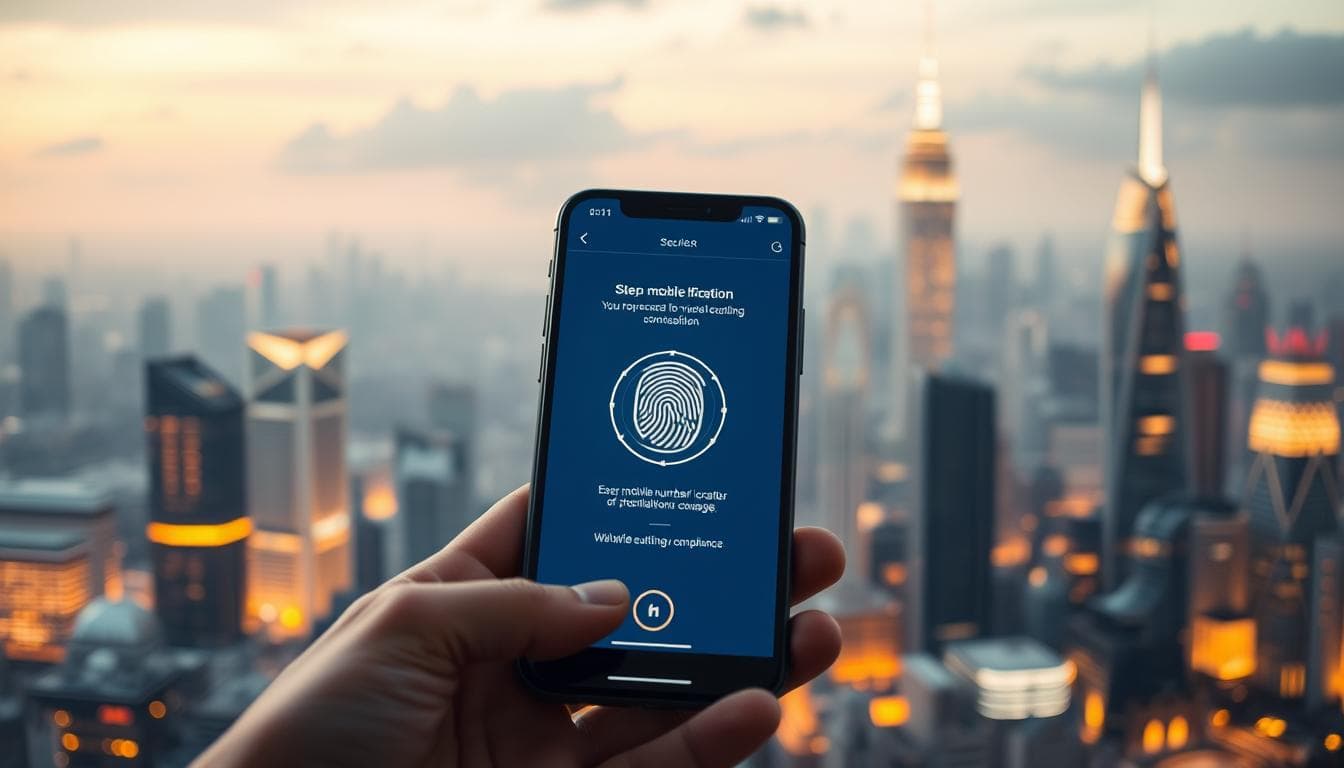
Essential features for compliant phone number checker solutions include:
- Configurable retention periods that automatically delete verification data when no longer needed
- Comprehensive audit logging tracking all data access and processing activities
- Transparent documentation explaining what data is collected and why
- Built-in support for handling data subject rights requests efficiently
- Encryption standards protecting data both in transit and at rest
Ask critical questions during the evaluation process. What specific verification purpose are we serving? What's the minimum verification level that achieves this purpose? Does this solution collect more data than necessary for our use case?
Remember that the "right" solution isn't always the most sophisticated option available. GDPR's proportionality principle requires that verification methods match actual risk levels. Format validation alone may suffice for low-risk scenarios. Reserve live lookup services and HLR verification for situations genuinely requiring real-time carrier confirmation.
Maintaining Compliance Documentation
GDPR's accountability principle demands that organizations demonstrate compliance actively. You must show that your mobile number verification processes meet regulatory standards. This requirement extends beyond initial setup to ongoing record-keeping throughout the data lifecycle.
Organizations must maintain specific records for all phone verification activities under Article 30 requirements:
- Data processing records: Document what phone number data you collect, processing purposes, legal basis, retention periods, access permissions, and third-party recipients
- Legal basis assessments: Explain why your chosen legal basis appropriately supports each verification scenario
- Data Protection Impact Assessments (DPIAs): Required for high-risk activities involving systematic monitoring or large-scale processing
- Consent records: When consent is your legal basis, capture who consented, when, to what specific, and how consent was obtained
- Data subject rights logs: Track all requests received, verification procedures, processing actions, response timelines, and outcomes
Your DPIA must describe processing operations comprehensively. Assess necessity and proportionality of verification methods. Identify and evaluate risks to individuals whose phone numbers you process. Document specific measures addressing those identified risks.
Additional essential documentation includes security incident records detailing any breaches involving verification data. Maintain vendor due diligence files with data processing agreements and security assessments. Keep training records showing staff understand GDPR requirements. Document policies covering retention schedules, security protocols, and verification procedures.
Treat documentation as living records requiring regular review and updates. Well-maintained files help you identify improvement opportunities before problems arise. They enable efficient responses to data subject requests within required timeframes. Strong documentation also provides defense against possible complaints or enforcement actions from supervisory authorities.
Evaluating Third-Party Vendor GDPR Compliance
Most organizations rely on external services for phone number checker functionality, creating shared responsibility arrangements under Article 28. Understanding this relationship is critical because using third-party processors doesn't transfer your GDPR compliance obligations. You remain the data controller with full responsibility for ensuring vendor compliance with all applicable requirements.
Conduct thorough due diligence before selecting any verification service provider. Your vendor assessment should cover multiple compliance dimensions systematically:
Legal agreements form your foundation. Confirm a compliant data processing agreement addresses all Article 28 requirements. This includes processing instructions, confidentiality obligations, security measures, sub-processor provisions, data subject rights assistance, audit rights, and data return or deletion procedures at contract termination.
Security measures require detailed assessment. Review the vendor's technical and organizational safeguards. Verify encryption standards, access controls, and security certifications like ISO 27001. Request penetration testing results and evaluate incident response capabilities. Strong security protects against unauthorized access that could compromise mobile number verification data.
For vendors operating outside the EU, confirm appropriate data transfer mechanisms are in place. Standard Contractual Clauses, adequacy decisions, or other approved frameworks become essential. Post-Schrems II considerations make transfer safeguards critical for GDPR compliance.
Critical vendor evaluation questions include:
- Does the vendor use sub-processors, and how are they vetted for compliance?
- What breach notification procedures ensure you can meet your 72-hour reporting obligation?
- Can the vendor assist with data subject rights requests within required timeframes?
- What independent compliance certifications or audit reports can they provide?
- Where is phone number data stored geographically, and does this create compliance complexities?
Implement role-based access controls limiting verification data access to necessary staff only. Establish clear documented procedures for all data processing activities. Schedule regular compliance audits assessing both internal practices and vendor performance.
Recognize several red flags during vendor evaluation. Vendors unwilling to sign compliant data processing agreements pose significant risk. Lack of transparency about data handling practices indicates possible compliance gaps. Review their security incident history and evidence of remediation. Unclear sub-processor arrangements or resistance to providing compliance documentation should prompt serious concern about their suitability.
Remember that vendor assessment isn't a one-time exercise completed during initial selection. Ongoing monitoring ensures continued GDPR compliance as systems evolve. Conduct regular compliance reviews at least annually. Reassess vendors whenever they make material changes to processing activities, security measures, or sub-processor relationships.
Conclusion
We've delved into how GDPR-compliant phone number verification shifts from a mere legal requirement to a strategic asset for your company. This transformation necessitates grasping GDPR principles, choosing the right verification solutions, and setting up documentation that proves your accountability.
Implementing phone number verification properly brings significant advantages. It builds customer trust by showing your dedication to data protection. It also cuts down on fraud, boosting your operational security. Plus, it sets you apart in markets where privacy is a top concern, attracting customers who value their personal data.
To begin your compliance journey, assess your current verification methods and figure out the legal grounds for processing phone numbers. Companies with existing systems should compare them against the outlined standards. Make sure your privacy notices are clear about how you handle data. Also, check the credentials of third-party vendors using the guidelines from this guide.
Regularly review your compliance efforts at least once a year to ensure they match the latest GDPR interpretations. Educate your team on handling verification processes. Keep up with the latest trends from supervisory authorities.
Remember, GDPR-compliant phone number verification is a continuous journey, not a one-time achievement. It's the ongoing effort that counts, not the initial setup. You have resources like data protection authorities, privacy consultants, and compliant tech vendors to help you. Starting this journey now will bring lasting benefits to your organization and its customers.
Frequently Asked Questions
Are phone numbers considered personal data under GDPR?
Yes, phone numbers are classified as personal data under GDPR Article 4 when they can identify individuals. This triggers GDPR compliance obligations. These include establishing a valid legal basis, implementing security measures, and respecting data minimization. Whether for account verification or customer service, GDPR's data protection requirements apply.
What legal basis should we use for phone number verification under GDPR?
Does GDPR apply to our phone number verification if our company isn't located in the EU?
What are the penalties for non-compliant phone number verification under GDPR?
What is HLR lookup and is it GDPR compliant?
How does Google libphonenumber support GDPR compliance?
What is E.164 format and why is it important for GDPR compliant phone number verification?
What is a Data Processing Agreement and when do we need one for phone number verification?
What is a Legitimate Interests Assessment and when do we need one for phone number verification?
How do we handle data subject rights requests related to phone number verification?
What is a Data Protection Impact Assessment and do we need one for phone number verification?
How do we handle phone number verification data breaches under GDPR?
What are the GDPR implications of international phone number verification?
How do we balance strong verification security with GDPR data minimization requirements?
Can we verify phone numbers without explicit user consent under GDPR?