

Imagine losing six out of every ten possible customers before they even hear your voice. This is the harsh reality for businesses today. Countless companies struggle as their phones ring endlessly, with opportunities slipping away like sand.
The numbers paint a sobering picture. Nearly 62% of business calls go unanswered. Even more alarming, a staggering 85% of those callers never try to reconnect. Each missed call represents lost revenue, a frustrated customer, and a competitor's gain.
We're seeing a remarkable shift in customer engagement. The global market for intelligent agents hit $5.4 billion in 2024 and is expected to grow at 45.8% annually until 2030. This isn't just about technology, it's about survival.

Traditional methods can't keep up with modern customer expectations. Every unanswered ring costs money. Every delayed response pushes prospects toward competitors who respond instantly. The solution lies in combining telecommunications innovation with ai call center optimization and mass call campaign optimization strategies. These strategies aim to capture every lead and maximize conversion rates.
In this guide, we'll explore proven frameworks that transform how businesses connect with customers. We'll ensure no opportunity goes unnoticed.
Key Takeaways
- 62% of business calls remain unanswered, with 85% of missed callers never attempting contact again
- The intelligent agent market is projected to grow at 45.8% annually, reaching significant scale by 2030
- Traditional contact methods cannot meet modern customer expectations for immediate, personalized service
- Strategic implementation of advanced technologies captures lost revenue opportunities and improves conversion rates
- Successful deployment requires understanding both technological capabilities and strategic frameworks
- Businesses that fail to modernize customer engagement risk losing competitive positioning in their markets
1. The Evolution of AI Call Center Optimization
Call centers have evolved from simple switchboards to sophisticated AI-driven platforms. This change didn't happen quickly. It took decades of technological progress to achieve today's capabilities.
Early automation attempts, like Interactive Voice Response systems, often frustrated customers. These systems had limited options and forced callers through long button-pressing sequences. The introduction of ai call center optimization software was a significant turning point.
The breakthrough came with the combination of natural language processing and machine learning. This created systems that could understand context, intent, and emotion in conversations. Suddenly, an ai call center optimization tool could do more than just route calls, it could comprehend what customers actually needed.

First-generation AI solutions analyzed conversations but couldn't act on those insights independently. Modern platforms have changed this. Today's systems integrate with CRM platforms, knowledge databases, and business applications. They can execute complete workflows without human intervention.
We now see AI as operational agents, not just passive analytical tools. These intelligent systems handle customer inquiries, qualify leads, schedule appointments, and escalate complex issues to human representatives when necessary. The AI agents market reflects this transformation, with projections showing a 45.8% CAGR through 2030. This growth is driven by organizations recognizing the revenue benefits of ai call center optimization software.
This evolution marks a fundamental shift in thinking. Businesses no longer view contact centers as cost burdens. When optimized with AI, they become strategic revenue-generating assets. They drive customer satisfaction and business growth.
2. Why Mass Call Campaign Optimization Matters for Modern Businesses
Underperforming calling campaigns can severely impact your business operations. Studies reveal that businesses miss 35% of incoming calls every day. For a small business receiving 30 calls daily, this means losing 10 opportunities in just one day.
Each missed call can cost your business $243 in lost revenue. If a company misses 10 calls daily, that's over $2,400 in lost revenue each day. Annually, this amounts to nearly $900,000 in missed opportunities.
Inefficient campaigns also waste your marketing budget. Companies invest thousands in generating leads but squander them due to poor follow-up. This is why mass call campaign optimization software is vital for safeguarding your marketing budget

Today's consumers demand immediate and personalized responses. If you fail to meet these expectations, they will switch to competitors who have invested in advanced mass call campaign optimization tool technologies. Speed and personalization are no longer optional, they're essential for survival.
These platforms offer more than just customer satisfaction. They enable smaller teams to handle larger call volumes by automating routine tasks and pre-qualifying leads. Intelligent routing based on agent skills and customer needs maximizes every interaction.
Perhaps most valuable is the data intelligence advantage. Mass call campaign optimization software captures detailed interaction data. This data reveals patterns in customer behavior, campaign performance, and conversion drivers. It enables continuous refinement of your messaging, timing, and targeting strategies.
The result is a virtuous cycle where better data drives better decisions. Your campaigns become more effective over time, generating superior results that compound with each iteration. Organizations that embrace this approach gain a competitive edge that grows stronger with every campaign.
3. Essential Features in AI Call Center Optimization Software
Successful mass calling campaigns rely on software that combines data accuracy, intelligent automation, and adaptive learning. These platforms must offer more than basic dialing functions. They integrate various technologies to reduce wasted effort, connect agents with the right prospects, and provide insights for improvement.
When evaluating these platforms, look at how features work together throughout the campaign. The best solutions tackle challenges at every stage, from preparing contact lists to analyzing post-call data.
Verification and Validation Capabilities
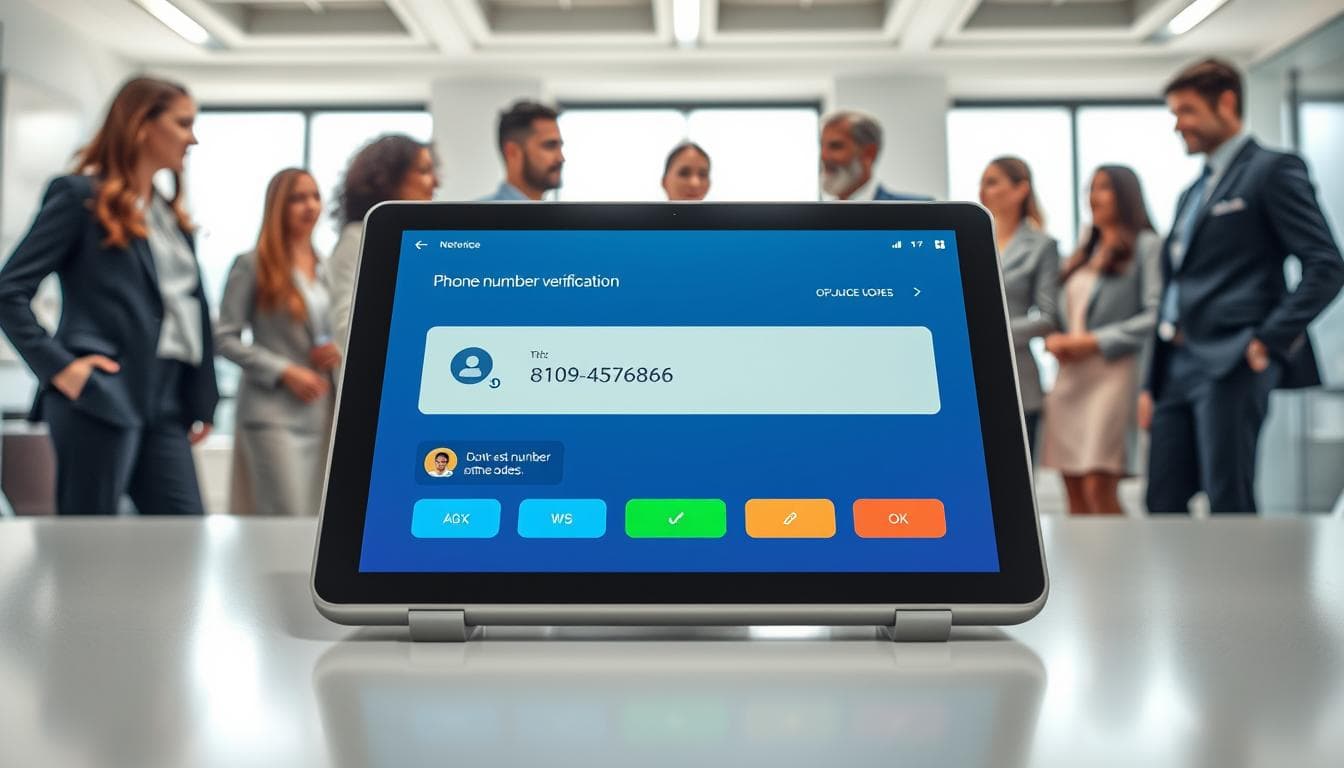
Phone number verification is key to campaign efficiency, confirming active, reachable numbers. Invalid numbers waste resources by sending agents to dead ends.
Modern verification systems check carrier databases to confirm numbers are active. They identify line types and flag disconnected services before wasting dial attempts. Syntax validation checks formatting, while phone number validation ensures numbers are active.
Implementing strong validation at data entry points prevents bad contacts. Regular re-verification of stored records keeps lists quality high, improving connection rates.
Real-Time Data Cleaning
Contact databases degrade as customers change numbers or become unreachable. Effective contact data cleaning processes monitor quality continuously, not just during scheduled maintenance.
Advanced platforms automatically flag records showing signs of deterioration. Real-time cleaning updates records immediately, removing invalid contacts before they waste more resources.
Clean data boosts productivity. Agents engage with qualified prospects, not numbers that never answer. Performance analytics reflect true campaign effectiveness with verified contacts.
Intelligent Routing and Detection Systems
Sophisticated routing algorithms are at the heart of modern ai call center optimization platforms. They consider agent skills, customer value, and interaction history to connect callers with the best resource.
Machine learning refines routing decisions based on outcome data. Detection capabilities recognize non-productive connections, focusing agent time on live conversations.
Technologies like Model Context Protocol enable seamless integration with CRM platforms and business tools. AI agents access customer history and product information in real-time, enabling personalized conversations that improve satisfaction and reduce handling time.

4. Top Mass Call Campaign Optimization Tools
Beyond full-featured contact center platforms, businesses need focused solutions that excel at one mission: ensuring every phone number in your database is valid and reachable. These specialized mass call campaign optimization software solutions work alongside platforms to address data quality challenges before campaigns launch. We often recommend implementing these tools as pre-campaign verification steps that dramatically improve connection rates while reducing wasted dial attempts.
Organizations using dedicated contact data verification tools typically see 30-40% improvements in connect rates compared to unverified lists. These platforms integrate seamlessly with CRM and marketing automation systems, providing batch processing capabilities and real-time validation APIs. The evaluation criteria we prioritize include verification accuracy rates, processing speed for bulk operations, data security practices, and transparent pricing models that align with campaign volumes.
ApexVerify Phone Number Verification
Overview
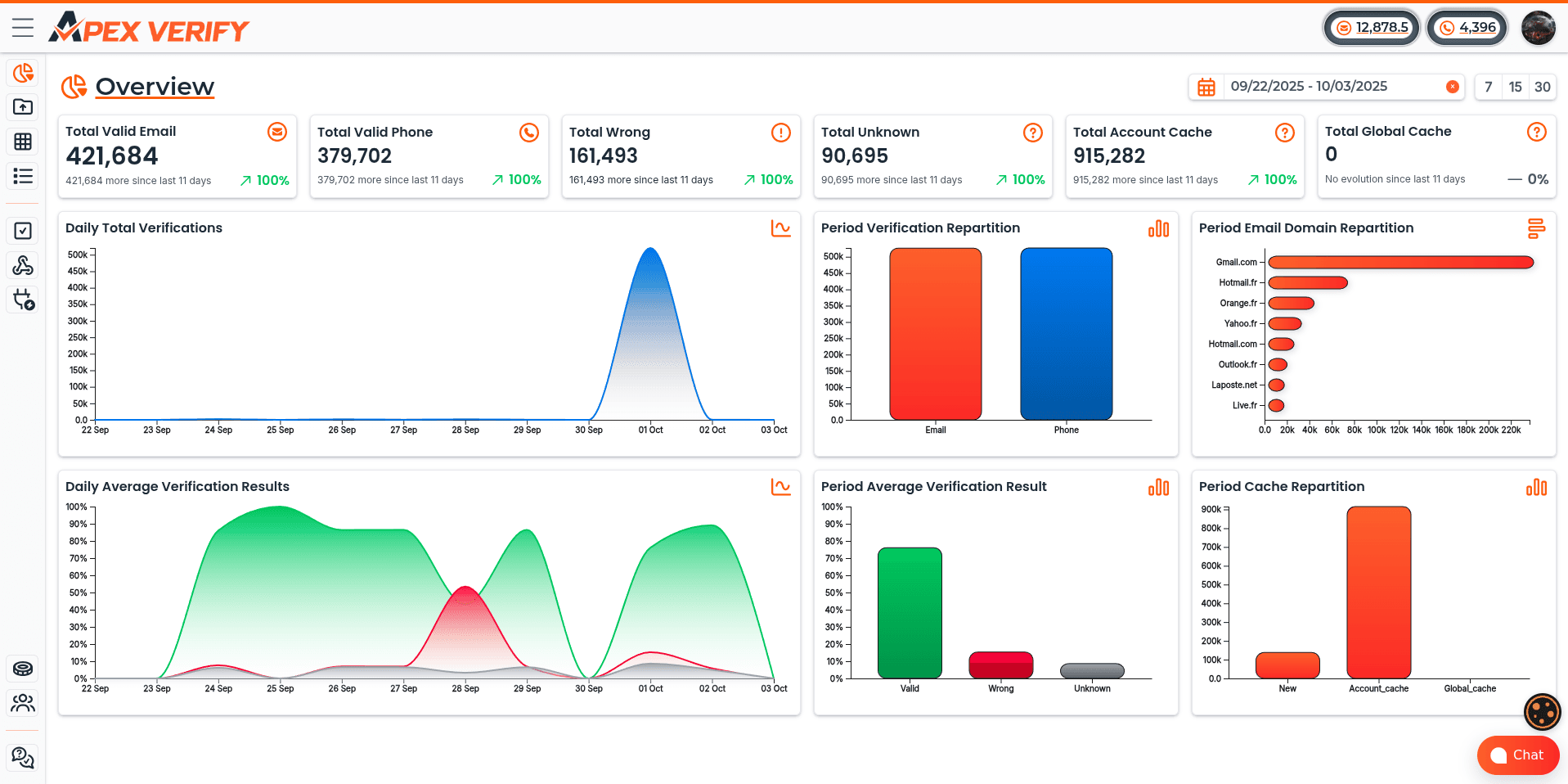
ApexVerify established its reputation through email verification services before expanding into phone number verification. The platform specializes in detecting disconnected numbers, identifying line types, and flagging high-risk contacts. We appreciate its surgical focus on validation accuracy, which consistently delivers reliable results across both business and consumer contact databases.
Key Features
- Multi-carrier verification: Verifies numbers across all major telecommunications providers
- Line type detection: Identifies mobile, landline, VoIP, and toll-free classifications
- Zombie detection: Detect zombie phone number before campaigns launch
- API and batch processing: Supports both real-time verification and bulk file uploads
- Detailed reporting: Provides complete validation status for every number processed
Pros
- Exceptional accuracy rates for phone number verification exceed 98%
- Transparent per-validation pricing without hidden fees
- Fast processing speeds handle millions of records efficiently
- Excellent customer support with dedicated account management
Cons
- No contact enrichment capabilities beyond validation
- Interface feels dated compared to newer competitors
- Limited international coverage outside North America
Selecting the right verification platform depends on your specific requirements, budget constraints, and existing technology infrastructure. But prioritizing the validation of your phone number data will definitely guarantee a better ROI.
5. Online Phone Number Verification: Batch vs Real-Time Processing
Online phone number verification comes in two main forms: batch processing and real-time validation. Each method caters to different operational needs, providing unique benefits for companies managing their contact databases.
Batch verification handles large datasets in scheduled operations. It processes thousands or millions of records overnight or during off-peak hours. This method is ideal for periodic database cleaning and pre-campaign checks when immediate results aren't critical.
Batch processing offers cost savings through volume discounts. It allows for thorough validation by checking against multiple data sources. This approach also minimizes disruption to operations, as validation happens when systems are not in use.
Real-time verification checks contact information as it's captured or right before dial attempts. It ensures only current, valid data is stored in databases. This prevents the buildup of invalid records that can harm campaign performance over time.
Real-time validation provides instant feedback, allowing for data entry errors to be corrected before records are saved. It optimizes campaigns automatically by skipping invalid numbers without human intervention. Superior customer experience is achieved by avoiding dial attempts to disconnected numbers, saving everyone's time.
We suggest batch verification for cleaning existing databases, annual contact hygiene, and pre-campaign prep. Real-time verification is best for web form submissions, point-of-sale data capture, and verifying high-value prospects. Companies achieve the best results by using both methods as part of their overall contact data verification strategy.

6. Detecting Infinite Ringing and Never Answering Phone Numbers
Infinite ringing numbers pose a significant challenge to campaign success, consuming resources without yielding results. These "zombie numbers" clear initial checks but fail to connect with real people. For those focusing on mass call campaign optimization, spotting these numbers is critical. It helps protect agent productivity and ensures a better return on investment. Sophisticated never answering phone number detection systems are needed to tackle this issue effectively.
Disconnected Routing Infrastructure
Telecommunications systems sometimes fail to remove numbers from service, leaving them in a state where calls ring endlessly without connecting. This happens when carriers incorrectly port numbers or when subscribers disconnect without updating databases.
Standard verification systems often overlook these issues. They confirm the carrier recognizes the number, even if it's useless for campaigns.
AI-Powered Pattern Recognition
Advanced infinite ringing phone number detection platforms use AI to analyze call patterns. They identify numbers that consistently ring without resolution. Machine learning sets expectations for call outcomes, like being answered within 4-6 rings or voicemail within 20-30 seconds.
These systems analyze data across various dimensions. They pinpoint numbers that ring excessively, never connect, and don't trigger voicemail or carrier-specific tones.
Platforms use multi-stage verification to ensure accuracy. They test flagged numbers through different carriers and at different times. This infinite ringing detection process excludes temporary network issues, marking numbers as unreachable.
Quantifying Performance Impact
Infinite ringing numbers waste more than just dial attempts. If 5% of a campaign database is unreachable, and agents spend 45 seconds on each attempt, a 100-agent center loses about 225 agent-hours monthly.
For a small business handling 30 calls daily, this means losing 10 opportunities. Each missed call could be worth $243 in revenue. It also affects agent morale, as significant parts of their shifts are unproductive.
Effective infinite ringing phone number detection boosts agent productivity by 8-12%. It eliminates dead-end calls. When evaluating mass call campaign optimization software, this feature is key. It offers immediate ROI through better resource use and higher contact rates with valid prospects.
7. Online Contact Data Verification Strategies for Campaign Success
Implementing strategic online contact data verification processes significantly boosts campaign performance. It ensures every dial connects with a valid recipient. Contact databases naturally decay over time due to customer changes, opt-outs, or unreachability. Research indicates that B2B contact data decays at about 30% annually, with consumer data decaying even faster.
Without active contact data cleaning, nearly one-third of your database becomes unreachable each year. This silent decay wastes resources and diminishes campaign effectiveness. Organizations must view verification as an ongoing process, integrated into workflows at various touchpoints.
We advocate for a multi-layered verification strategy focusing on data quality at four critical stages:
- Point-of-capture verification performs real-time checks when contacts first enter the database through web forms, point-of-sale systems, or sales interactions
- Pre-campaign verification conducts thorough batch validation before launching calling campaigns to ensure resources are directed towards reachable prospects
- Ongoing maintenance verification periodically re-validates the entire database on a scheduled basis to identify records that have become invalid
- Outcome-based verification monitors campaign results to flag contact records that consistently fail to connect despite appearing valid
Effective online contact data verification necessitates establishing feedback loops. Organizations should route verification results back into source systems to continuously enhance data quality upstream. This self-improving cycle prevents invalid data from entering the system initially.
We suggest specific verification frequencies based on contact type and value:
- Monthly verification for high-value customers and hot prospects
- Quarterly verification for active customers and recent leads
- Annual verification for broader prospect databases and inactive contacts
Smart contact data cleaning balances thoroughness against cost. Organizations should implement risk-based approaches, applying extensive verification to higher-value contacts. For lower-value segments, lighter-touch validation is suitable.
This tiered strategy optimizes return on investment while maintaining database integrity across your entire contact ecosystem. The outcome is enhanced connection rates and reduced wasted dial attempts.
8. Measuring ROI from Mass Call Campaign Optimization Software
The true value of mass call campaign optimization software is evident when we focus on specific performance metrics. These metrics drive direct financial returns and operational efficiency. This efficiency allows for better resource utilization.
To comprehensively assess return on investment, we must track five key performance dimensions. These metrics give a complete view of how optimization efforts impact business outcomes.
Connection rate improvement measures the increase in successful connections to live prospects. It's calculated as: (new connection rate - baseline connection rate) / baseline connection rate × 100. Typical implementations see 15-25% improvements.
Agent productivity gains quantify the additional productive conversations each agent completes after ai call center optimization. This metric captures time saved from manual data tasks and improved call routing efficiency.
Cost per connection reduction calculates the fully-loaded cost to achieve one meaningful prospect conversation. It includes agent labor, telephony charges, and technology costs. Successful optimization typically reduces this metric by 20-35%.
Conversion rate improvement tracks whether optimization efforts improve interaction quality. This leads to higher appointment-setting and sales conversion rates.
Campaign cycle time reduction measures whether optimization enables faster campaign execution. This allows more campaigns annually with the same resources.
Real-world results show the power of ai call center optimization. Live 360 Marketing boosted ROI by 70% with lead response times dropping from 48 hours to under 30 seconds. Elite Web Professionals captured 700+ qualified leads in just 4 months. Next Level Management and Consulting doubled revenue in 4 months.
Here's a simple ROI calculation template:
- ROI Formula: (Gain from Investment - Cost of Investment) / Cost of Investment × 100
- Example: $50,000 annual platform investment
- Return: $175,000 in additional revenue through improved connections
- Result: 250% ROI demonstrating clear business value
This framework enables data-driven decisions about mass call campaign optimization software investments. It proves value to stakeholders.
9. Best Practices for Implementing AI Call Center Optimization Tools
The success of AI in call centers often hinges on careful planning and execution. It's not just about the technology; it's about how well it fits into existing systems and processes. Organizations must ensure seamless integration, prepare their teams for change, and commit to ongoing improvement.
Using structured frameworks like the Synthflow BELL Framework can streamline the process. This framework ties together Build, Evaluate, Launch, and Learn stages, ensuring a cohesive approach. It also helps avoid common pitfalls by drawing on lessons from previous implementations.
Seamless CRM System Connections
For AI to make a real difference, it must integrate smoothly with CRM systems. A two-way flow of data is key: campaign results and verified contact information enrich customer records, while customer history informs AI agents for personalized interactions.
Modern integration tools offer pre-built connectors for popular CRMs like Salesforce and HubSpot. Custom integrations via APIs are available for proprietary systems. New standards like Model Context Protocol enable AI systems to easily find and use data sources.
When choosing a platform, evaluate integration capabilities early. Ensure the solution can access the necessary customer data fields and custom objects. Start with read-only integration, then move to write-back, and aim for real-time synchronization.
Building Continuous Improvement Cycles
Continuous monitoring is just the start of the optimization journey. AI call center optimization software improves through ongoing learning cycles. The Synthflow BELL Framework's "Learn" stage supports continuous improvement at scale.
Regularly track key metrics like connection rates, conversion rates, and customer satisfaction. Establish review cycles for daily metrics, weekly campaign performance, and monthly deep dives into AI quality.
Monitoring should include both quantitative data and qualitative reviews of interactions. Use A/B testing to evaluate AI recommendations and routing algorithms. This approach provides evidence of what works in mass call campaign optimization.
10. Taking Action on Call Center Transformation
In today's business world, nearly 62% of calls are left unanswered. Of those, 85% never attempt to reconnect. These numbers paint a picture of lost revenue, missed opportunities, and unhappy customers.
Fortunately, ai call center optimization offers a solution. It doesn't just tweak existing systems. It revolutionizes how we engage with customers over the phone.
The market is backing this shift. AI agents hit $5.4 billion in value in 2024. Analysts predict a 45.8% annual growth until 2030. Top companies see these tools as essential, not just experimental.
We suggest beginning with key capabilities. Phone number verification and intelligent routing offer quick wins. These foundational steps provide immediate ROI and build confidence within the organization.
Success, though, requires more than just buying software. We must think strategically about our business goals. Planning for integration, managing change, and monitoring performance are all critical.
There's no need to rush into everything at once. Mass call campaign optimization is best approached incrementally. Start with one campaign, measure its success, and then expand based on results.
The cost of not acting grows by the minute. Each missed call means lost revenue. We urge businesses to evaluate their current state, identify areas for improvement, and take action now.
Frequently Asked Questions
Why is phone number verification critical for mass call campaign optimization?
Phone number verification is essential for mass call campaign optimization. It prevents wasted agent time and inflated campaign costs. Invalid phone numbers can decay at approximately 30% annually.
Without robust verification, campaigns target unreachable prospects. This wastes resources without generating revenue. Modern online phone number verification systems check numbers against carrier databases.
They confirm active numbers, identify line types, and detect disconnected services. This verification process improves connection rates by 15-25%. It allows the same agent team to complete more productive conversations.
What are the most important features to look for in mass call campaign optimization software?
How does infinite ringing detection work and why does it matter?
What's the difference between batch and real-time online phone number verification?
How quickly can we expect to see ROI from implementing mass call campaign optimization software?
What is contact data cleaning and how often should we perform it?
What specific problems do disconnected routing numbers cause for call campaigns?
What ROI metrics should we track to measure mass call campaign optimization success?
How does real-time contact data cleaning differ from batch verification?