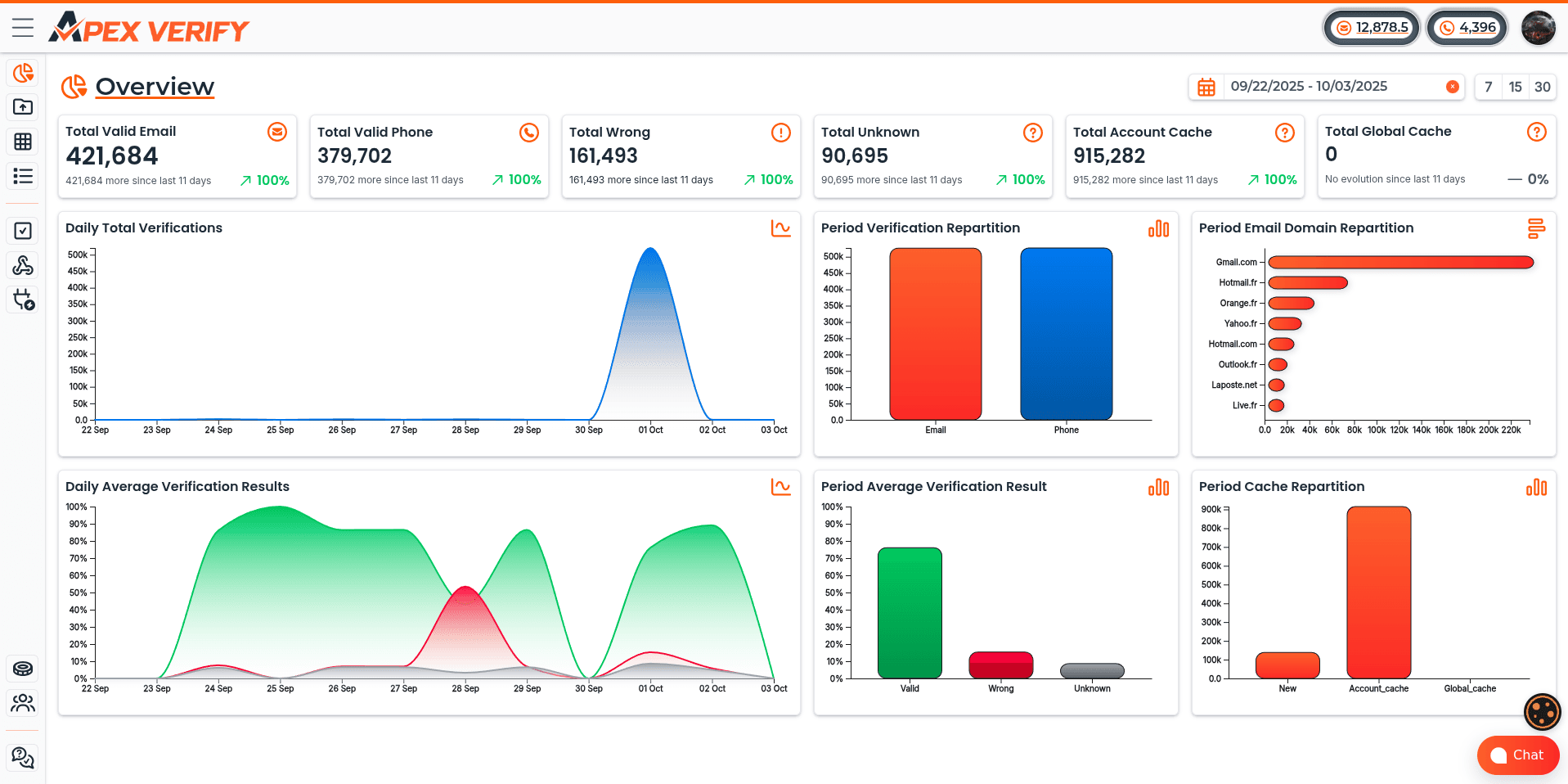


Angelina spent three hours manually finding email addresses for her clients. She compiled a list of 50 prospects and crafted a perfect pitch. Yet, two days later, half her messages bounced, and the rest were sent to spam folders. This scenario is all too common.
The world of sales prospecting software has undergone a significant transformation. Today, over 40 specialized platforms cater to various aspects of lead generation.
Modern email campaigns require more than just a sending tool. They need systems that find prospects, verify contact information, enrich lead data, and ensure messages reach inboxes.

The choice of platform depends on your unique situation. A solo founder sending 30 emails weekly requires different tools than an agency managing campaigns for 40 clients.
This guide is organized into categories: data discovery, contact enrichment, email verification, and phone validation. You can opt for all-in-one platforms or a custom stack with specialized solutions.
Our evaluation is based on real-world testing, verified user reviews, and feedback from experts who achieve measurable results daily.
Key Takeaways
- The market now offers over 40 specialized prospecting platforms, each designed for different use cases and team sizes
- Successful campaigns require integrated ecosystems combining data finding, enrichment, verification, and sending capabilities
- Tool selection depends on your outreach volume, budget, team size, and whether you focus on email-only or multichannel strategies
- We've categorized the best tools for outbound sales 2026 by function to help you identify solutions for each workflow stage
- Solo founders need different setups than the best cold outreach software for agencies managing multiple client accounts
- All recommendations come from hands-on testing and feedback from practitioners achieving consistent pipeline results
The State of Cold Outreach Software 2026
In the last eleven years, outbound sales software has evolved dramatically. It has transformed from simple email sending platforms to full-fledged go-to-market ecosystems. These systems now integrate intelligence, automation, and analytics.
Our team has witnessed this transformation closely. We've tested and managed campaigns daily. The cold outreach automation tools today are unrecognizable from those of a decade ago.
Today's platforms offer automated sequences, personalization at scale, deliverability monitoring, response analytics, and CRM synchronization in one solution. This integration marks a significant shift in sales operations.
The market has evolved beyond basic automation. Modern cold email software 2026 uses artificial intelligence for copywriting and predictive analytics for optimal send times. It also employs sophisticated algorithms to protect sender reputation.
Several key trends define the current landscape. We've identified five major developments that distinguish 2026 platforms from their predecessors.
- Functional consolidation: Previously separate tools for prospecting, verification, sending, and analytics now exist within single platforms
- AI integration: Machine learning powers email personalization, subject line optimization, and response prediction across leading solutions
- Deliverability science: Advanced sender reputation management has become essential as inbox providers deploy more sophisticated spam filters
- Multichannel orchestration: Email-only sequences have expanded to include LinkedIn messages, phone calls, SMS, and WhatsApp touchpoints
- Compliance capabilities: Stricter data privacy regulations have forced platforms to build robust consent management and data protection features

These advances solve real problems but also create new challenges. Sales teams face a crowded marketplace with over 40 competing platforms.
Modern outbound sales software must address multiple obstacles. Finding accurate contact information has become harder due to data decay.
Maintaining inbox deliverability requires constant attention as email providers refine their filtering algorithms. Personalizing messages at scale without sacrificing authenticity remains a challenging balancing act in sales.
Proving ROI through detailed attribution has become non-negotiable for sales leaders. They need to justify tool investments. We've seen teams struggle when their technology stack can't connect outreach activities to closed revenue.
The fragmentation challenge makes tool selection even harder. Most sales outreach tools comparison articles provide superficial rankings that ignore specific use cases and team requirements.
We've taken a different approach with our cold outreach tools comparison 2026. Instead of creating another generic top-ten list, we've organized platforms by functional category. We provide honest assessments of where each excels.
Our evaluation methodology combines three distinct sources of insight. We've personally tested every platform mentioned in this guide through active campaigns spanning multiple industries.
We've analyzed thousands of verified reviews across G2, Capterra, GetApp, and Trustpilot to identify consistent patterns in user experience. These reviews were filtered to include only verified purchasers who used the tools within the past 18 months.
We've also gathered input from cold email experts who run campaigns daily for their own businesses or clients. These practitioners provided feedback through structured interviews conducted over the past twelve months.
This article was last updated in June 2026. We've re-verified every tool's pricing, refreshed each review with current features, and rebuilt our comparison into a use-case table that matches specific tools to specific needs.
Transparency about our methodology helps you understand the lens through which we've evaluated each platform. Our assessments are based on cumulative years of hands-on experience, not surface-level research or affiliate-driven recommendations.
We'll acknowledge when a tool has limitations. No platform excels at everything, and understanding trade-offs helps you make better decisions for your specific situation.
The sections that follow break down the market by functional category. We'll start by examining the key components that make cold outreach technology effective, then evaluate the best tools in each category.
Key Components of Effective Cold Outreach Technology
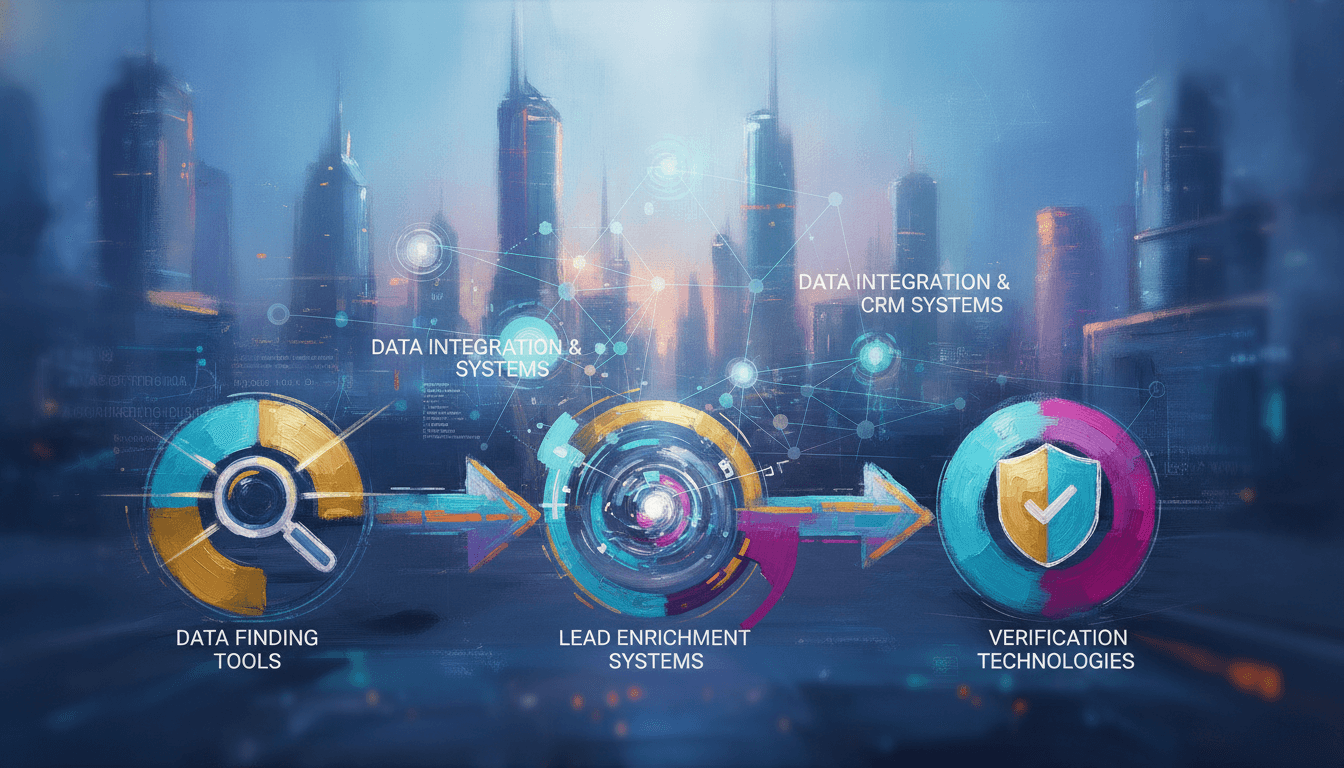
The success of any outreach campaign hinges on three key technology pillars. These are precise prospect identification, detailed data enrichment, and rigorous contact validation. Together, they ensure your team reaches the right people with personalized messages that actually land in inboxes.
Many teams invest in expensive outreach platforms but struggle with poor response rates. The issue often lies in the data quality and prospecting capabilities, not the messaging or sending infrastructure.
Understanding what sets effective lead generation software 2026 apart from outdated tools is essential. This knowledge helps you build a stack that delivers consistent results. Let's dive into each essential component in detail.
Data Finding and Prospecting Capabilities
Successful cold outreach starts with identifying the right prospects at the right companies. You need access to extensive B2B databases with accurate contact information at scale.
The best data finding tools for cold outreach offer several critical features. They provide deep database coverage across industries, geographies, and company sizes. They also enable advanced filtering to narrow targets by specific criteria.
Quality prospecting tools for sales should include these capabilities:
- Comprehensive B2B databases with millions of verified contacts across target markets
- Advanced filtering options by industry, company size, job title, location, technology stack, and firmographic criteria
- Contact discovery tools that find email addresses and phone numbers for specific individuals at target companies
- LinkedIn integration to prospect directly from social profiles and company pages
- Chrome extensions that enable prospecting without leaving your browser
The quality and coverage of the underlying database directly impact campaign effectiveness. Tools with limited or outdated data force teams to supplement with additional platforms. This creates workflow friction and increases costs.
We recommend evaluating any b2b lead data provider based on database size, update frequency, and data accuracy guarantees. The platform should clearly state how often records are refreshed and verified.
Lead Enrichment and Data Enhancement
Raw contact information alone is insufficient for modern personalization expectations. Prospects expect messages that demonstrate understanding of their business challenges and circumstances.
Effective enrichment tools append multiple data layers to basic contact records. This enriched data enables segmentation strategies, personalization at scale, and targeted messaging that references specific prospect circumstances.
The most valuable data categories for enrichment include:
- Firmographic data: Company size, revenue, industry classification, location, and organizational structure
- Technographic data: Technology stack, tools currently in use, recent implementations, and platform migrations
- Demographic data: Job title, seniority level, department, tenure at company, and previous work history
- Behavioral signals: Website visits, content downloads, funding announcements, hiring patterns, and company news
Enrichment can happen at different stages of your workflow. Some tools enrich in real-time as leads enter your system. Others perform batch enrichment on existing databases.
Real-time enrichment provides the most current data but may slow down your workflow. Batch enrichment processes contacts in bulk, which is faster but may include slightly outdated information.
The right approach depends on your team's needs and the freshness requirements of your campaigns. High-velocity sales teams typically benefit from real-time enrichment. Marketing teams building long-term nurture sequences often prefer batch processing.
Email and Phone Verification Standards
Sending messages to invalid addresses damages sender reputation and prevents future emails from reaching inboxes. This makes verification a critical component of any outreach stack.
Quality contact data accuracy tools protect deliverability through multiple validation layers. Email verification should include these checks:
- Syntax validation to ensure addresses follow proper formatting rules
- Domain verification to confirm the domain exists and accepts email
- Mailbox verification to validate that the specific email address is active
- Role-based email detection to flag generic addresses like info@ or support@
- Disposable email detection to identify temporary email services
- Spam trap identification to avoid addresses designed to catch spammers
Phone verification is equally important for teams conducting cold calling or SMS outreach. Effective phone validation includes number format validation, carrier lookup, and line type identification.
Understanding whether a number is mobile versus landline helps teams route contacts to appropriate channels. Mobile numbers work for SMS campaigns, while landlines require voice calling only.
We emphasize that verification isn't a one-time activity but an ongoing requirement. Email addresses and phone numbers decay over time due to job changes, company closures, and technology migrations. Access to verified b2b emails requires continuous validation.
Industry standards suggest re-verifying contacts every 90 days to maintain optimal deliverability. High bounce rates signal to email providers that you're sending to poor-quality lists, which damages your domain reputation.
While some platforms bundle prospecting, enrichment, and verification capabilities, others specialize in one area. This means many teams need to build a multi-tool stack. The key is ensuring these tools integrate smoothly to create an efficient workflow without manual data transfers between systems.
Best Data Finding and Lead Generation Platforms
Choosing the right lead generation platform is critical for your team's success. It depends on your specific needs and workflow preferences. Some tools excel in personalization and multichannel coordination, while others focus on database breadth and integration simplicity. We've evaluated the best lead generation tools for b2b teams based on data quality, feature depth, and real-world performance metrics.
The platforms below represent two distinct approaches to prospecting. One prioritizes creative personalization and multichannel engagement. The other emphasizes streamlined workflows and all-in-one convenience. Both have earned their place in modern outreach stacks.
Lemlist
Overview
Lemlist launched in 2018 with a mission to make cold emails feel personal. Founder Guillaume Moubeche started with just $1,000 and built the platform around personalization features. These help lemlist.com cold outreach campaigns stand out in crowded inboxes.
What began as a specialized email personalization tool has evolved into a multichannel outreach platform. Today's Lemlist includes a substantial lead database with 650 million contacts. This makes it a viable option for teams that want data finding and campaign execution in one place.
The platform is part of the larger lempire suite of products. It has built a strong community through its build-in-public approach. For outreach teams where personalization creates the actual competitive edge, Lemlist offers capabilities that few competitors match.
Pros
Lemlist's standout feature remains its industry-leading image and video personalization. The platform can dynamically insert prospect names, company logos, or custom variables directly into visual elements. This creates a one-to-one impression that dramatically improves response rates.
The built-in lemlist data finder provides access to 650 million contacts through both the main platform and a Chrome extension. This extension pulls leads directly from LinkedIn profiles, eliminating the need to switch between prospecting and outreach tools.

True multichannel sequencing coordinates email, LinkedIn visits and messages, phone calls, and WhatsApp outreach from a unified interface. This orchestration ensures prospects receive touchpoints across their preferred channels without overwhelming them.
The bundled lemwarm functionality has become an industry standard for domain warm-up. It protects deliverability by gradually building sender reputation. AI-powered campaign and copy generation accelerates sequence creation, while liquid syntax enables advanced personalization logic.
Native bidirectional CRM synchronization with HubSpot, Salesforce, and Pipedrive keeps data flowing between systems. This ensures sales teams always work with current information regardless of which platform they're viewing.
Cons
Lemlist sits at the higher end of the pricing spectrum. The per-seat model becomes expensive for larger teams, with costs escalating through required add-ons.
Additional sending inboxes cost approximately $9 per month each. WhatsApp access requires separate payment. Lead and enrichment credits operate on a metered system. These costs add up quickly for teams running high-volume campaigns.
New users often report a steeper learning curve. The UI can feel overwhelming initially, with many describing it as "busy." Teams should budget time for onboarding and training to maximize their investment.
Features
- Chrome extension for LinkedIn prospecting and lead capture
- Dynamic landing pages with personalized elements for each prospect
- Multichannel sequence builder coordinating email, LinkedIn, phone, and WhatsApp
- Built-in calling functionality with in-app dialer and call recording
- Email warm-up (lemwarm) bundled into all paid plans
- A/B testing for subject lines, content, and sending patterns
- Team collaboration tools including shared templates and campaign review
- Integration options with major CRMs and sales tools
- AI campaign generator for rapid sequence creation
- Video personalization with dynamic variable insertion
Pricing: Free plan limited to Chrome extension with 100 email or 25 phone number verifications monthly. Email Pro starts at $79 per month per seat ($63 billed annually). Multichannel Expert costs $109 per month per seat ($87 annually). All paid plans include a 14-day free trial.
Apollo.io
Overview
Apollo.io combines a large B2B database with sequencing tools in one platform. This all-in-one approach appeals to outbound teams wanting to consolidate their stack without enterprise-level pricing.
The platform provides contact information and company data searchable by industry, company size, and job title. Sequence automation works across email and LinkedIn, creating a streamlined path from prospect discovery to initial outreach.
Apollo suits sales reps who prospect mainly on LinkedIn. The Chrome extension creates a fast workflow from "found the lead" to "sent the email." For teams seeking cold outreach tools like lemlist but with tighter budget constraints, Apollo offers a practical alternative.
Pros
The integrated workflow eliminates constant tool-switching. Reps can find contacts, verify emails, build sequences, and track engagement without leaving the platform. This consolidation saves time and reduces friction in daily prospecting.
Accessible pricing with functional free and low-cost tiers makes Apollo attractive for startups and smaller teams. The substantial B2B database offers decent coverage across most industries and company sizes.
The Chrome extension streamlines LinkedIn-based prospecting. Built-in email sequencing includes multichannel tasks that prompt reps for phone calls or LinkedIn touches. Email verification before sending protects deliverability by catching invalid addresses.
Adequate integrations with popular CRMs like Salesforce and HubSpot maintain data sync. The platform handles basic outbound workflows competently, making it suitable for teams with straightforward prospecting needs.
Cons
Data accuracy can be inconsistent compared to premium providers. Many users report needing supplemental verification through other tools. This requirement reduces the value of the all-in-one approach.
Enrichment depth is limited, with technographic and intent data being sparse. Teams needing detailed company insights or buying signals may find Apollo's data insufficient.
The platform isn't designed for inbound or speed-to-lead workflows. It focuses exclusively on outbound prospecting. Scaling limitations emerge when managing high-volume inbound and outbound simultaneously.
The free tier carries significant restrictions. It limits users to one seat after 100 days. Only Gmail accounts work for sending on non-paying plans. These constraints push growing teams toward paid tiers quickly.
Features
- B2B database with advanced filters for industry, size, and role targeting
- Email finder and verification integrated into prospect workflows
- Sequence builder with email and task automation
- LinkedIn Chrome plugin for one-click lead capture
- Email templates with personalization merge fields
- Analytics and reporting dashboard tracking open rates and responses
- Native CRM integrations with Salesforce and HubSpot
- API access available on custom plans for advanced automation
- Team collaboration features for shared lists and sequences
- Mobile app for prospecting on the go
Pricing: Free tier with limitations including one-seat restriction after 100 days and Gmail-only sending. Paid plans scale with usage and team size. Custom plans include API access and higher data limits. Specific pricing requires contacting sales.
Both platforms represent strong choices among cold email tools similar to lemlist, though they serve different priorities. Lemlist excels when personalization and creative multichannel campaigns drive results. Apollo works well when teams prioritize database access and workflow simplicity over advanced personalization features.
The best choice depends on your team's size, budget, and whether you value creative differentiation or operational efficiency. Many successful outreach programs use elements of both approaches, layering lemlist enrichment tools onto Apollo's database or vice versa.
Leading Email Verification and Validation Tools
Many outreach campaigns fail due to invalid email addresses. Even compelling cold emails are useless if they bounce back. High bounce rates not only waste time but also harm your reputation, potentially blacklisting your domain.
Email verification tools safeguard your sender reputation and ensure your messages reach real people. Modern email validation software goes beyond basic checks. It verifies domain records, confirms mailbox existence, detects spam traps, and identifies risky addresses before sending.
The stakes are higher in 2026 than ever before. Inbox providers now use sophisticated algorithms to monitor sender behavior. A single campaign with excessive bounces can damage deliverability for months. That's why investing in specialized verification platforms is essential to reduce email bounce rate and protect your outreach infrastructure.
ApexVerify
Overview
ApexVerify has emerged as a specialized platform for cold outreach professionals. Unlike enterprise solutions, apexverify.com email verification focuses on the unique challenges of high-volume outreach. It was created by outreach veterans who understand that verification isn't just about checking if an email looks correct.
The platform confirms that mailboxes actually exist and accept messages. This practical focus has made ApexVerify popular among agencies and sales teams running multiple campaigns.
We appreciate that the apexverify email validator handles both real-time API verification and bulk processing. This flexibility means you can verify emails as prospects enter your system while also cleaning existing databases.
Pros
ApexVerify delivers several compelling advantages. The platform achieves high accuracy rates by performing extensive checks. It verifies mailbox existence and acceptance through SMTP protocols.
Processing speed is another major strength. The system handles real-time verification without creating workflow delays. As a bulk email verifier, ApexVerify processes large lists efficiently, typically completing thousands of verifications within minutes.
The detailed verification results provide actionable intelligence. Each email receives categorization as valid, invalid, risky, or unknown, along with specific reason codes explaining the determination. This granularity helps you make informed decisions about which addresses to keep or remove.
Catch-all detection solves one of the trickiest challenges in email verification. Many domains accept all email addresses regardless of whether mailboxes actually exist. ApexVerify identifies these catch-all domains so you can handle them appropriately.
The platform also excels at identifying spam traps and disposable email addresses, two categories that pose serious reputation risks. Competitive pricing makes these capabilities accessible for teams at various budget levels. Straightforward API integration allows developers to implement verification quickly without extensive technical overhead.
Cons
Some limitations to consider when evaluating ApexVerify include its specialized focus. It doesn't include prospecting, enrichment, or email sending capabilities. You'll need to integrate it with other tools in your outreach stack.
ApexVerify has less brand recognition compared to verification companies that have operated for a decade or more. Some organizations prefer established vendors with longer track records, which is often a requirement in enterprise environments.
Teams seeking a more all-in-one platform may find ApexVerify's specialized approach less convenient. It focuses solely on verification, unlike platforms that offer a broader range of features.
Features
ApexVerify provides a feature set designed to improve email deliverability through thorough validation. The core capabilities include:
- Real-time API verification for instant validation as contacts enter your system
- Bulk list upload and verification for cleaning existing databases efficiently
- Syntax and format validation to catch obvious errors immediately
- Domain and MX record verification confirming that domains can receive email
- SMTP mailbox verification checking that specific addresses actually exist
- Role-based email detection identifying generic addresses like info@ or sales@
- Disposable email address detection flagging temporary email services
- Spam trap identification protecting your sender reputation from honeypots
- Catch-all domain detection highlighting domains that accept all addresses
- Duplicate removal eliminating redundant entries automatically
- Detailed verification reports with categorization and reason codes
- Webhook notifications for completed verification batches
- Integration options via API for connecting with your existing workflow tools

ZeroBounce
Overview
ZeroBounce is a leading email verification platform with a long history and a diverse customer base. It has evolved from a basic verification service into a full-fledged email validation ecosystem.
What sets ZeroBounce apart is its combination of core validation with additional deliverability intelligence. The platform doesn't just tell you if an email address is valid, it provides scoring and insights that predict how likely your message is to reach the inbox and generate engagement.
We've found that ZeroBounce appeals to marketing teams and agencies that need enterprise-grade verification. The platform serves organizations managing large subscriber lists where deliverability optimization directly impacts revenue and campaign ROI.
Pros
ZeroBounce has built its reputation on proven accuracy with industry-leading verification rates. The platform's validation process includes syntax checking, domain verification, mailbox confirmation, and reputation analysis in a single operation.
The AI-powered scoring system represents a significant advantage for optimizing deliverability. ZeroBounce predicts the likelihood that each address will accept and engage with your messages. This intelligence helps you prioritize your highest-value contacts.
Abuse and spam trap detection provides critical protection for your sender reputation. The platform maintains extensive databases of known spam traps, abuse addresses, and complainers, removing these risks before they damage your domain standing.
Append data capabilities add unexpected value by enriching records during the verification process. ZeroBounce can add names, gender, location, and other demographic information to your contacts, effectively providing email list cleaning tools and enrichment simultaneously.
The email testing tools show how your messages render across different email clients and devices, a feature that helps optimize formatting and design. Extensive integrations with major email service providers and CRM platforms streamline implementation, while detailed reporting provides transparency into list quality metrics.
Cons
Pricing represents the primary consideration with ZeroBounce. The platform typically costs more than simpler verification services, which can be a barrier for organizations processing millions of emails monthly. They need to evaluate whether the advanced features justify the premium pricing.
The breadth of features can create complexity for users who simply need basic verification. Teams wanting straightforward validation without scoring, testing, and append services may find the interface more involved than necessary.
ZeroBounce uses credit-based pricing that requires monitoring usage carefully. Unlike unlimited monthly plans, you purchase verification credits that get consumed with each check. High-volume operations need to forecast usage accurately to avoid running out of credits mid-campaign.
Features
ZeroBounce delivers an extensive feature set that positions it as a comprehensive email validation for cold outreach and marketing campaigns. The platform includes:
- Real-time email verification API for instant validation during lead capture
- Bulk email verification with CSV upload for cleaning large databases
- Syntax and format validation catching malformed addresses immediately
- Domain and DNS verification confirming that mail servers exist and function
- Mailbox existence verification checking that specific addresses actually receive mail
- Abuse and complaint detection identifying addresses known for reporting spam
- Spam trap removal protecting sender reputation from honeypot addresses
- Catch-all domain identification flagging domains that accept all email addresses
- Disposable and temporary email detection filtering out short-lived addresses
- Toxic domain identification highlighting domains associated with fraud or abuse
- Email activity and engagement scoring predicting deliverability likelihood
- Duplicate email removal eliminating redundant entries automatically
- Append data services for adding names and demographic information
- Email inbox testing across major providers like Gmail, Outlook, and Yahoo
- Detailed verification reports with extensive list quality metrics
- Native integrations with email service providers and marketing platforms
- CRM integration options for seamless workflow connectivity
- Webhooks for automation enabling advanced workflow customization
Top Lead Enrichment and Data Enhancement Solutions
Finding contact information is just the start of cold outreach. The real advantage comes from turning basic data into detailed prospect profiles. By 2026, successful cold campaigns need more than just a simple "Hi [First Name]" greeting. Prospects expect messages that show they understand the business context, current challenges, and strategic goals.
Lead enrichment tools add vital layers of intelligence to basic contact records. This includes firmographic data like company size, revenue, industry, and location. It also covers technographic insights into the technology stack prospects use. Demographic details such as job title, seniority, and department complete the picture.
Advanced data enrichment software now includes behavioral signals like website visits, funding announcements, and hiring patterns. These enriched datasets enable sophisticated segmentation, personalization at scale, accurate lead scoring, and targeted messaging that resonates with specific buyer contexts.

Clearbit
Overview
Clearbit is the top choice for B2B data enrichment, serving as an API-first platform integrated into technology stacks. It's known for its high-quality and deep data, covering firmographic and technographic aspects.
It's geared towards mid-market and enterprise organizations with the technical resources and budget for sophisticated enrichment workflows. Clearbit, now owned by HubSpot, maintains integrations across the broader b2b cold outreach tools ecosystem.
Clearbit's architecture supports real-time enrichment, instantly appending data as leads enter your systems. This enables instant routing, scoring, and personalization without manual data research or delays.
Pros
Industry-leading data accuracy and coverage sets Clearbit apart from competitors. The platform continuously refreshes information to maintain current, reliable datasets for critical business decisions.
Extensive firmographic enrichment includes company size, revenue estimates, industry classifications, geographic location, employee count, and business model details. This automatic profile building happens through API connections.
Deep technographic insights reveal the specific technologies and tools prospects currently use. For solution providers, this information is critical for solution-fit qualification and crafting personalized messaging that addresses existing technology environments.
- Reveal capabilities identify anonymous website visitors by company, enabling targeted follow-up
- Intent data surfaces accounts actively researching relevant solutions in your category
- Real-time enrichment APIs append data instantly without batch processing delays
- Strong integration ecosystem includes native connections to major CRMs and marketing automation platforms
- Scalability handles high-volume enrichment needs for enterprise contact databases
Cons
Enterprise-level pricing may exceed budgets for smaller teams or startups exploring data enrichment software for the first time. The investment requires significant volume to justify compared to self-service alternatives.
Technical resources become necessary to implement and optimize API-based enrichment workflows. Organizations without dedicated development or operations support may struggle with initial setup and ongoing maintenance.
The platform focuses on data provision, not downstream go-to-market workflows. Teams will need additional tools for lead routing, meeting scheduling, and engagement tracking, requiring integration work to build complete workflows.
Custom pricing lacks transparency compared to published pricing tiers. Organizations must engage in sales conversations to understand actual costs, which slows evaluation and decision-making processes.
Features
Clearbit's feature set supports extensive enrichment strategies for teams building sophisticated outreach systems. The real-time firmographic enrichment API forms the core, delivering instant data appends as contacts enter your database.
Technographic data covers 90+ technology categories, revealing the specific tools and platforms prospects use. This intelligence enables precise targeting and messaging that references familiar technologies and integration possibilities.
- Company logo and metadata append for professional communication templates
- Employee count and growth metrics indicating hiring velocity
- Revenue and funding information for account prioritization
- Industry and sub-industry classification for segmentation
- Prospector tool for building targeted account lists from scratch
Intent signals and buying indicators help teams identify accounts actively researching solutions. Batch enrichment capabilities support cleaning and enriching existing databases. Native HubSpot integration streamlines workflows for users in that ecosystem, while connections to Salesforce and Marketo serve broader markets.
Webhook support enables custom workflows tailored to specific business processes. Data accuracy guarantees provide confidence in the information quality that drives outreach decisions and personalization strategies when combined with cold email automation tools.
Lusha
Overview
Lusha is a sales-focused enrichment platform that prioritizes ease of use and direct contact access. It excels in phone number sourcing, making it valuable for teams that find business email addresses alongside telephone contacts.
The company built its reputation as a Chrome extension for LinkedIn and web prospecting. No technical setup or training was required, enabling immediate productivity for individual contributors.
The platform has expanded into a fuller prospecting solution but maintains its core strength in providing direct dial phone numbers and mobile contacts. These phone numbers remain difficult to source through other channels, giving Lusha a competitive advantage in this specific data category.
Lusha appeals to individual sales reps, small sales teams, and organizations that rely heavily on phone-based outreach alongside email campaigns. The accessible pricing includes a functional free tier and affordable paid plans that suit various budget levels.
Pros
Exceptional coverage of direct dial and mobile phone numbers represents Lusha's primary competitive advantage. The platform demonstrates strong data availability in North American markets where phone-based prospecting remains effective.
The intuitive Chrome extension requires no training and works seamlessly on LinkedIn and company websites. Sales reps can start capturing contacts immediately without IT involvement or complex configuration processes.
Fast prospect capture workflow lets reps build lists in real-time during research activities. This eliminates context switching between research and data entry, maintaining focus and momentum during prospecting sessions.
- Email address enrichment works alongside phone data for multi-channel outreach
- Basic firmographic data append includes company size and industry classification
- Intent data and buying signals surface on higher-tier plans for prioritization
- CRM integration pushes captured contacts directly into Salesforce, HubSpot, or other systems
- Minimal setup requirements enable immediate productivity for new users
The best email outreach software strategies often combine email and phone channels. Lusha's dual-channel data sourcing supports this integrated approach without requiring multiple vendor relationships.
Cons
More limited firmographic and technographic depth compared to specialized platforms creates gaps for teams requiring detailed company intelligence. The basic company data works for initial outreach but may not support advanced segmentation strategies.
Data accuracy varies by region, with strongest coverage in North America. International prospecting may encounter more gaps and outdated information, limiting global campaign effectiveness.
The platform lacks sophisticated go-to-market workflow automation. Users must combine Lusha with separate tools for sequencing, tracking, and campaign management to build complete outreach systems.
Focus on point-of-capture enrichment means teams need different solutions for cleaning existing contact lists. Phone number sourcing, while better than most competitors, has coverage gaps for certain industries and seniority levels.
Features
Lusha's Chrome extension for LinkedIn and web prospecting forms the foundation of its user experience. The tool captures contact information with a single click, pulling available data into organized prospect profiles.
Direct dial phone number enrichment and mobile phone number sourcing provide the multi-channel contact options modern outreach demands. Business email address finding complements phone data for complete contact records.
Basic company firmographic data includes essential details like industry, size, and location. Job title and seniority information supports role-based personalization and appropriate messaging for different buyer levels.
- Bulk enrichment via CSV upload on paid plans for database enhancement
- Intent data and buying signals for account prioritization
- CRM integrations with major platforms for seamless data flow
- API access for custom implementations and workflow automation
- Prospecting filters by industry, company size, and location
Team collaboration features on business plans enable shared prospect lists and coordinated outreach efforts. These capabilities transform individual productivity tools into team resources that support scalable prospecting operations across sales organizations using lead enrichment tools and b2b cold outreach tools in their technology stacks.
Phone Number Verification and Validation Platforms
Invalid phone numbers silently drain sales productivity, wasting precious hours on disconnected lines, wrong numbers, and unreachable contacts. While email has become the default channel for cold outreach, phone calling remains highly effective for certain industries, deal sizes, and prospect profiles. The quality of the phone numbers your team dials is critical.
Phone data quality presents unique challenges that differ significantly from email verification. People change phone numbers when switching jobs or mobile carriers, number portability makes carrier identification complex, and scraped databases often contain switchboards. These factors contribute to phone data decay rates that exceed email, making phone number verification an ongoing necessity.
The right phone verification platform does more than validate number formats. It checks connection status, identifies line types, screens against do-not-call lists, and provides carrier information that informs calling strategies. For sales teams running multichannel campaigns, dedicated phone number validation ensures that calling efforts generate results.
ApexVerify Phone Verification
Overview
ApexVerify Phone Verification provides specialized validation capabilities designed for sales teams using cold calling. The platform addresses the fundamental challenge that phone data quality is typically worse than email data quality due to higher churn rates and the complexity of modern telecommunications networks.
Unlike basic format validators that only check if a number follows standard patterns, ApexVerify phone verification validates actual line status and reachability. The system identifies whether numbers are active, disconnected, or invalid before your sales reps waste time dialing them. This approach serves agencies running calling campaigns, SDR teams executing multichannel outreach, appointment-setting services, and any organization where phone connect rates directly impact revenue.
The platform distinguishes between mobile, landline, VoIP, and toll-free numbers, a critical capability. Mobile numbers typically deliver higher answer rates than landlines. By providing carrier identification and connection status verification, ApexVerify enables teams to prioritize their calling lists strategically.

ApexVerify Phone Verification delivers several distinct advantages that improve calling campaign efficiency:
- Comprehensive validation that goes beyond format checking to verify phone numbers for actual line status and reachability
- Line type identification that distinguishes between mobile, landline, VoIP, and toll-free numbers, enabling teams to prioritize high-connect-rate mobile numbers
- Carrier identification providing insights into the phone service provider for strategic calling optimization
- Real-time phone validation through API that validates numbers before dialing attempts
- Bulk phone verification capabilities for cleaning existing phone databases and imported contact lists
Additional strengths include connection status checking that identifies disconnected and non-working numbers before they waste sales time. The do-not-call list screening ensures compliance with calling regulations, protecting organizations from legal issues. Detailed verification results provide specific status codes explaining why numbers are invalid or risky.
The apexverify validation tool offers competitive pricing that makes phone verification accessible at scale, even for high-volume calling operations. Fast processing speeds enable verification without creating bottlenecks in campaign workflows. Straightforward API documentation allows technical teams to implement integrations quickly without extensive development time.
Cons
Despite its strengths, ApexVerify Phone Verification has considerations worth noting. As a specialized verification platform, it doesn't provide phone number lookup or enrichment services, only validation of existing numbers. Teams must integrate it with prospecting tools that supply the initial phone data.
The platform may have less brand recognition than some established competitors in the phone verification space. Some users might prefer an all-in-one outreach platform that bundles verification. Phone verification accuracy, while high, faces inherent limitations due to number portability and rapid phone number turnover in modern telecommunications.
Features
ApexVerify provides capabilities designed to reduce invalid phone numbers and improve call connect rate across calling campaigns:
- Real-time phone verification API for point-of-capture validation
- Bulk phone list verification with CSV upload for phone data cleaning
- Phone number format and syntax validation across international standards
- Country code and regional validation for global contact lists
- Line type detection identifying mobile, landline, VoIP, toll-free, and premium numbers
- Carrier and service provider identification for strategic insights
- Connection status verification determining if numbers are active, disconnected, or invalid
- Number portability detection tracking when numbers have changed carriers
- Duplicate phone number removal maintaining database cleanliness
The platform also delivers detailed verification reports with status categorization, making it easy to segment calling lists. Confidence scores indicate verification certainty for each number. Webhook notifications alert teams when bulk verifications complete, streamlining workflow automation.
API rate limits accommodate high-volume usage without throttling performance. API documentation includes code examples in multiple programming languages. Integration guides for popular calling platforms reduce implementation complexity, while customer support assists with technical questions during setup.
Phone verification through platforms like apexverify.com verification isn't a one-time project but an ongoing operational requirement. Phone numbers decay over time as people change jobs, switch providers, and companies update their systems. Teams running consistent cold calling campaigns should implement both point-of-capture verification and periodic re-verification of existing lists.
Beyond simply reducing invalid dials, lead phone verification provides strategic benefits that compound over time. Line type identification allows prioritization of mobile numbers with higher answer rates. Carrier information can inform calling time optimization based on provider-specific patterns and time zones. Connection status data maintains overall database hygiene, improving CRM data quality across the organization.
For teams serious about phone-based outreach, dedicated phone number validation represents a minor investment that delivers measurable ROI. The returns manifest through improved connect rates, reduced wasted sales time, better regulatory compliance, and enhanced campaign efficiency. When every connected call represents a possible opportunity, ensuring valid, reachable numbers transforms calling into a strategic revenue channel.
How to Build the Best Cold Outreach Workflow for 2026
Outreach teams face a critical choice: all-in-one platforms or specialized tools. The best cold outreach workflow for 2026 combines tools across categories for a seamless process. Some teams prefer all-in-one platforms, while others choose top specialists in each category.
Speed is key in modern outreach. Teams should enrich contact data immediately, not days later. This enrichment powers everything downstream, from routing decisions to conversion rates.
The right workflow tightens handoffs between marketing and sales. It reduces lead waste and speeds up team actions. Building this workflow requires careful consideration of your specific needs and constraints.
Start by defining your outreach motion and requirements. Determine if you're running email campaigns or multichannel outreach. Understand your monthly outreach volume to gauge scale needs.
Identify your target market geography and team size. Establish your budget range for tooling to avoid wasting time on unaffordable options.
Select your data finding and prospecting platform based on your sourcing strategy. Decide if you need a built-in database or source prospects from other channels. Evaluate database size and coverage for your target market.
Email finder tools vary from Apollo.io and Lemlist to Hunter.io for email-specific sourcing. Consider ease of use versus advanced filtering capabilities. A complex platform is useless if your team can't use it consistently.
Assess integration capabilities with your downstream tools. The best data finding platform connects seamlessly with your enrichment, verification, and sending systems.
Implement lead enrichment to transform basic contact records into rich profiles. Enhancement with firmographic, technographic, and behavioral data improves response rates. Decide if you need real-time enrichment or batch enrichment of existing databases.
Evaluate the depth of data required for your use case. Basic firmographics might suffice for simple campaigns. Advanced technographics and intent signals are essential for complex sales motions.
Consider whether enrichment will happen automatically via API or manually via Chrome extensions. Platforms like Clearbit offer enterprise-grade depth, while tools like Lusha focus on contact-level data.
Deploy verification for both email and phone to protect sender reputation and improve connect rates. Email verification should happen before any sends. Never send to unverified email addresses to avoid damaging your sender reputation.
When comparing options like lemlist vs apexverify, consider dedicated verification platforms for higher accuracy. Phone verification should clean calling lists before campaigns launch and re-verify periodically.
Cold phone software 2026 requires clean, verified data to maximize connect rates. ApexVerify and ZeroBounce provide dedicated verification for both email and phone channels.
Choose your sending and engagement platform based on channel requirements. Determine if you need email sequences or multichannel orchestration. Evaluate deliverability features like warm-up capabilities and spam monitoring.
Assess personalization capabilities from basic merge tags to advanced dynamic content blocks. Consider whether you need built-in CRM functionality or will integrate with existing systems. Review analytics and reporting to ensure you can measure the metrics that matter for your business.
A cold email tools comparison 2026 reveals significant differences in deliverability infrastructure and personalization depth. Choose based on your specific motion, not feature checklists.
Establish workflow integration and automation to eliminate manual handoffs. Map how data flows between systems from prospecting through enrichment, verification, sending, and into your CRM. Implement native integrations where available and use Zapier or API connections where necessary.
Set up automatic triggers for verification before sends and enrichment at optimal points. Create feedback loops to inform future prospecting and segmentation decisions.
We recommend specific workflow configurations for different scenarios:
- Budget-conscious solo founder: Hunter.io for email finding (free tier), Apollo.io for database access and sending (free tier), basic verification through Apollo's built-in tools, total cost near zero to start with clear upgrade paths as volume grows
- Growth-stage outbound team: Apollo.io or Lemlist for prospecting and multichannel engagement, Clearbit or Lusha for enrichment enabling sophisticated personalization, ApexVerify for dedicated email and phone verification, native CRM integration to Salesforce or HubSpot, total cost $200-500/month depending on team size
- High-volume agency: Instantly or Saleshandy for unlimited inbox scaling and client management, specialized data provider for prospect sourcing, dedicated verification through ApexVerify or ZeroBounce maintaining deliverability across client accounts, costs scale with client count while maintaining attractive per-client economics
Follow critical workflow principles that separate high-performing teams from struggling ones. Verify before you send, never send to unverified emails or call unverified phone numbers. Enrich early for better segmentation and personalization.
Automate handoffs to eliminate manual data transfers that introduce errors and delays. Monitor deliverability daily by tracking bounce rates and sender reputation metrics. Iterate based on data to guide tool choices and workflow refinements.
These principles form the foundation of any successful outreach program. Teams that consistently apply them see dramatically better results than those who skip steps or take shortcuts.
Avoid common workflow mistakes that undermine outreach performance. Using too many disconnected tools creates data silos and workflow friction. Failing to verify contact data before outreach damages sender reputation and wastes budget.
Neglecting deliverability and sender reputation until problems emerge makes recovery difficult and expensive. Over-complicating workflows with features you don't actually need creates adoption barriers and requires extensive ongoing management.
Choosing tools based on impressive feature lists without considering fit for your specific motion and scale leads to buyer's remorse and costly platform switches. The best workflow is one that your team will actually use consistently, sophisticated doesn't always mean better if it creates friction.
Remember that your outreach workflow should evolve as your business grows. Start with essential components that match your current scale and add sophistication as your volume and complexity increase. Regular workflow audits help identify bottlenecks and opportunities for improvement.
Conclusion
The cold outreach software 2026 landscape is filled with specialized solutions for every need. Success comes from choosing tools that fit your specific workflow, scale, and budget. It's not about following the most popular options.
Begin by clearly defining your outreach needs before exploring platforms. Utilize free trials to test how these tools work with your real workflows. Focus on categories that solve your biggest challenges, such as verification for deliverability, enrichment for personalization, or speed for quick outreach.
Your toolset should grow as your outreach efforts expand. Tools suitable for 30 weekly emails won't handle 3,000. Keep an eye on bounce rates, reply rates, and cost per qualified lead to ensure your investments pay off.
The best cold outreach software 2026 won't make up for weak value propositions or unclear customer profiles. Technology enhances a good strategy but can't replace it.
Improve one aspect at a time. Start with data finding, then add enrichment, verification, and engagement as needed. This method yields better results than trying to optimize everything at once.
Cold outreach is a high-ROI channel for B2B companies when done right. The platforms we've looked at offer the tools for making outreach predictable, scalable, and measurable. Build the right combination for your needs and turn cold outreach into a systematic growth engine.
Frequently Asked Questions
What is cold outreach software and why do we need it in 2026?
Cold outreach software is designed to help sales and marketing teams find prospects, gather accurate contact information, and execute personalized campaigns. In 2026, it's essential due to the complexity of modern cold outreach. It requires tools that find prospects, enhance lead intelligence, verify data, and orchestrate multichannel sequences. Specialized software is necessary for teams aiming to generate a scalable pipeline.
Should we use an all-in-one cold outreach platform or build a best-of-breed stack with specialized tools?
What's the difference between email finding tools and email verification tools?
How important is email verification for cold outreach campaigns, and when should we verify addresses?
What is lead enrichment and how does it improve cold outreach results?
Why do we need phone verification for cold calling campaigns?
What data finding capabilities should we look for in cold outreach tools?
How do we choose between Lemlist and Apollo.io for cold outreach?
What's the difference between ApexVerify and ZeroBounce for email verification?
Is phone number verification as important as email verification?
What's the difference between data enrichment and data finding?
How much should we budget for cold outreach software in 2026?
What technographic data is available through enrichment tools and why does it matter?
How often should we re-verify our contact database?
Can we use free tools for cold outreach or do we need paid platforms?
What integration capabilities should we look for in cold outreach tools?
How do we measure ROI from cold outreach software investments?
What's the difference between cold email tools and marketing automation platforms?
How does data privacy regulation affect cold outreach tool selection?